Deep tissue massage is one of the most talked-about treatments on spa menus. Because the name sounds intense, some people shy away, while others expect every bit of tension to disappear in a single session. The truth lies somewhere in between. Deep Tissue Massage: a slow, controlled way of working that targets the deeper layers of muscle and the connective tissue surrounding it. In this guide we explain how the technique is applied, what you will feel during a session, who it suits and how to prepare as a beginner.
What Is Deep Tissue Massage?
Unlike the flowing, broad strokes of classic massage, deep tissue massage works on smaller areas with slower, more sustained pressure. Rather than gliding quickly over the muscle, the therapist pauses on an area that feels tense and goes deeper gradually, waiting for the tissue to soften. The key word here is patience rather than speed.
A common misconception is that deep tissue massage must be hard and painful. When done correctly, what you feel is not sharp pain but a familiar pressure followed by a sense of release. If the muscle tenses against pain, the treatment is not achieving its purpose; that is why a good therapist constantly adjusts the pressure to your response.
How Is It Performed?
The Warm-Up Phase
No deep work begins on a cold muscle. The therapist first warms the area with broad gliding strokes, assesses the texture of the tissue and identifies where there is resistance. This phase may seem brief, but it directly determines the quality of the session.
Going Deeper Layer by Layer
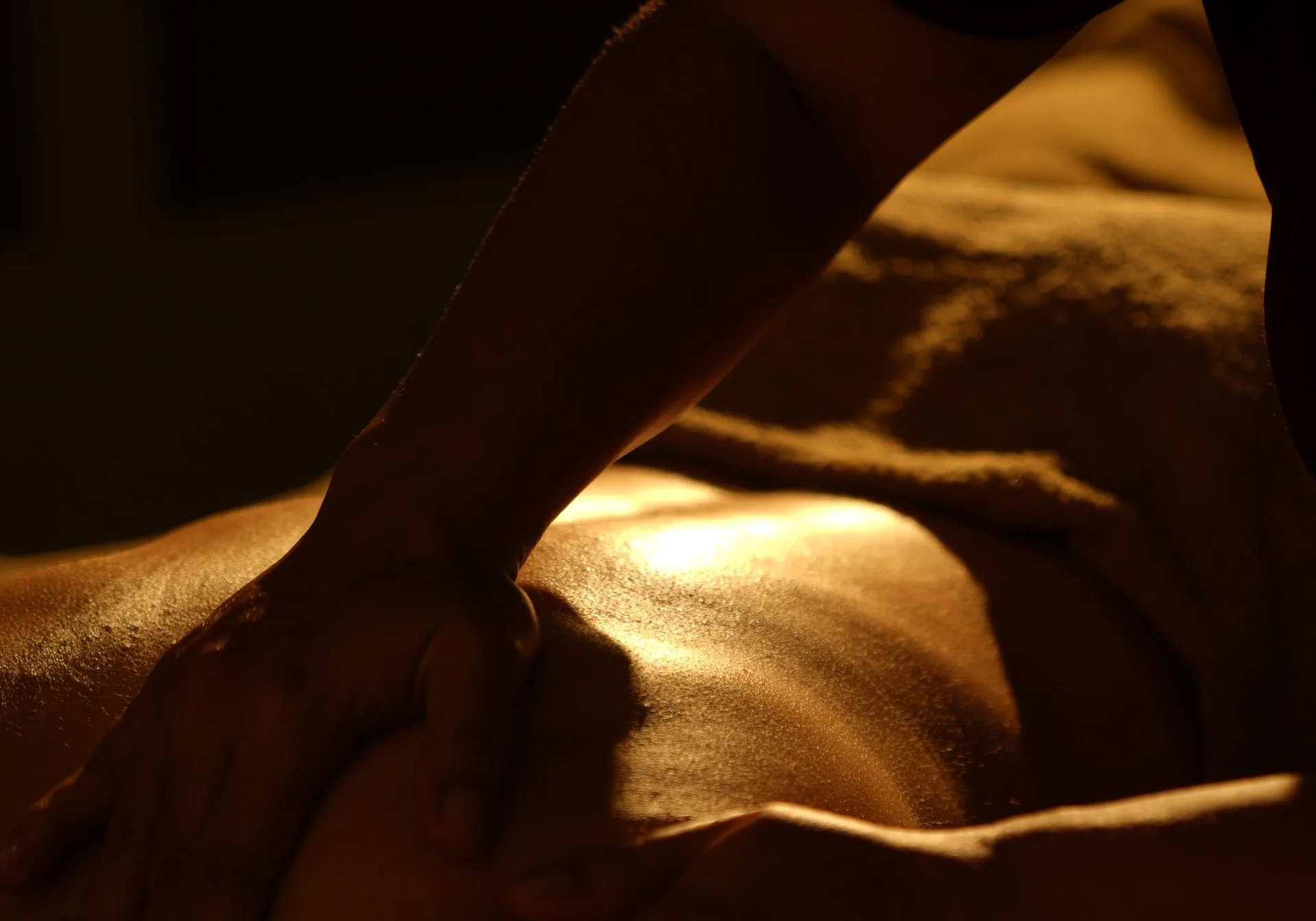
After the warm-up, the therapist gradually increases the pressure using different contact surfaces such as the thumb, knuckles, elbow or forearm. The goal is the same for every layer: once the tissue softens a little, the work moves to the next layer. That is why the same area may be revisited several times during a session.
Working Along the Fibres
Muscle fibres run in a particular direction. In deep tissue work, strokes take this direction into account, sometimes moving along the fibre and sometimes across it. The aim is to support the glide and freedom of movement of the tissue.
Syncing with the Breath
The clearest sign of a good session is pressure that is in tune with your breathing. The therapist usually goes deeper as you exhale and pauses as you inhale. This rhythm stops the muscle from going on the defensive.
When Is It Chosen?
Deep tissue work suits tension that is concentrated in specific spots. Common scenarios include:
- Tension around the shoulders and shoulder blades from long hours at the computer
- Fatigue building up in the calves, glutes and hamstrings after running or weight training
- Heaviness around the forearms and wrists in jobs that involve repetitive movement
- Asymmetrical tension from one-sided loads such as carrying a bag or driving
- A feeling of reduced range of motion, for example restriction noticed when turning the neck
None of these amounts to a diagnosis. Deep tissue massage can support a sense of relaxation and perceived flexibility, but it is not a substitute for addressing an injury or ongoing pain. If your pain doesn't ease with rest, disturbs your sleep at night or comes with symptoms such as numbness or loss of strength, you should consult a healthcare professional first.
Preparing as a Beginner
Choose the Right Duration
For your first deep tissue experience, there is no need to book a very long session. A medium-length session is usually enough to focus on a specific area. Rather than working the whole body with deep pressure, prioritising the two areas that bother you most is more effective.
Share Your Priority Areas
During the pre-session consultation, describe where you feel tension as precisely as possible. Instead of simply saying "my back hurts", a description like "there's a tightness behind my right shoulder, on the inner edge of the shoulder blade" makes the therapist's job considerably easier.
Use a Scale
Using a scale of one to ten is a practical way to communicate pressure. For most people, the effective range is around six to seven: pressure you can feel but that doesn't take your breath away. Above eight, the muscle usually starts to resist.
Plan Your Day Well
- Schedule the session after an intense workout or on a rest day, not right before one.
- Don't plan a very active schedule for the same day; give your body some time afterwards.
- Make sure to drink enough water throughout the day.
- Come neither full nor hungry; have a light snack beforehand.
What Happens After the Session?
After a deep tissue massage you may experience mild muscle tenderness lasting one to two days. It is the same familiar feeling you get after weight training and usually passes on its own. To support recovery you can:
- Keep up your water intake
- Keep your circulation moving with a short, slow walk
- Soften the muscles with a hot shower or warm bath
- Avoid overstretching the treated area and stick to light, controlled movements
- Use that night as an excuse for an early night
If tenderness lasts more than three days, bruising appears or discomfort increases, mention that the pressure should be reduced at your next session. Good treatment is always shaped by feedback.
How Often Should You Have It?
If you are working on a distinct area of tension, a session every two or three weeks makes a sensible rhythm at first. As things settle, you can extend the interval to once a month and then to maintenance visits as needed. Weekly deep-pressure work is unnecessary for most people; giving the tissue time to recover brings better results.
How Can You Tell Deep Tissue from Classic Massage?
In practice, the most obvious differences are pace and coverage. A classic treatment moves over the whole body at a flowing tempo and aims for overall calm. Deep tissue work slows the pace, narrows the focus and lingers longer on specific areas. That is why deep tissue sessions tend to leave you feeling not sleepier, but looser and lighter in the body.
Who Is It Not Suitable For?
Deep pressure is not applied in the presence of a new injury, swelling, open wound, active skin condition or feverish infection. Use of blood thinners, a tendency to bruise easily, vascular problems, osteoporosis, pregnancy and chronic illness all require a doctor's opinion before treatment. Sharing this information with the spa team is the most important step in planning a safe session.
Approached with the right expectations and good communication, deep tissue massage is a treatment that teaches you to listen to your body. Rather than aiming to fix everything in one session, it is more valuable to notice which areas need regular attention. If you are planning a deep tissue session in or around Maltepe, noting down your tension map beforehand will make the session more effective.