
Hamamın bölümleri rastgele sıralanmış odalar değildir. Geleneksel Türk hamamında misafir soğukluktan ılıklığa, oradan sıcaklığa ilerler ve dönüşte aynı yolu tersine izler. Bu düzen, bedenin sıcaklığa kademeli olarak alışmasını ve hamamdan çıkarken de yavaş yavaş serinlemesini sağlamak için yüzyıllar içinde şekillenmiştir. Mimari, adeta bir ritüelin adımlarını taş ve kubbe diliyle tarif eder.
In this article we look at the function of each section, the striking architectural details and how this age-old order is interpreted in today's spas. Knowing the meaning of what you see the next time you visit a hammam will make the experience richer. Knowing why each section is there also helps you use the hammam more mindfully and at a pace that suits your own body.
The Cold Room: A Space for Welcome and Rest
The cold room is the broad, cool section at the entrance of the hammam. In historic buildings it is usually covered by a large dome, often has a fountain or water jet at its center, and is surrounded by raised platforms and changing cubicles. Here the guest undresses, wraps up in a peshtemal and puts on wooden clogs. After the bathing, the guest returns here too, to rest, have a drink and wait for the body to prepare for the outside air.
The architecture of the cold room also reflects the hammam's place in the city. In hammams that belong to large mosque complexes, this section is designed more grandly; with its high dome, wide windows and ornaments, it is the building's showcase. In neighborhood hammams it offers a more modest but warm setting. In both cases the purpose is the same: to mark the passage from the crowd outside to the calm within. The moment you step through the door, sounds soften, the light changes and the rhythm slows.
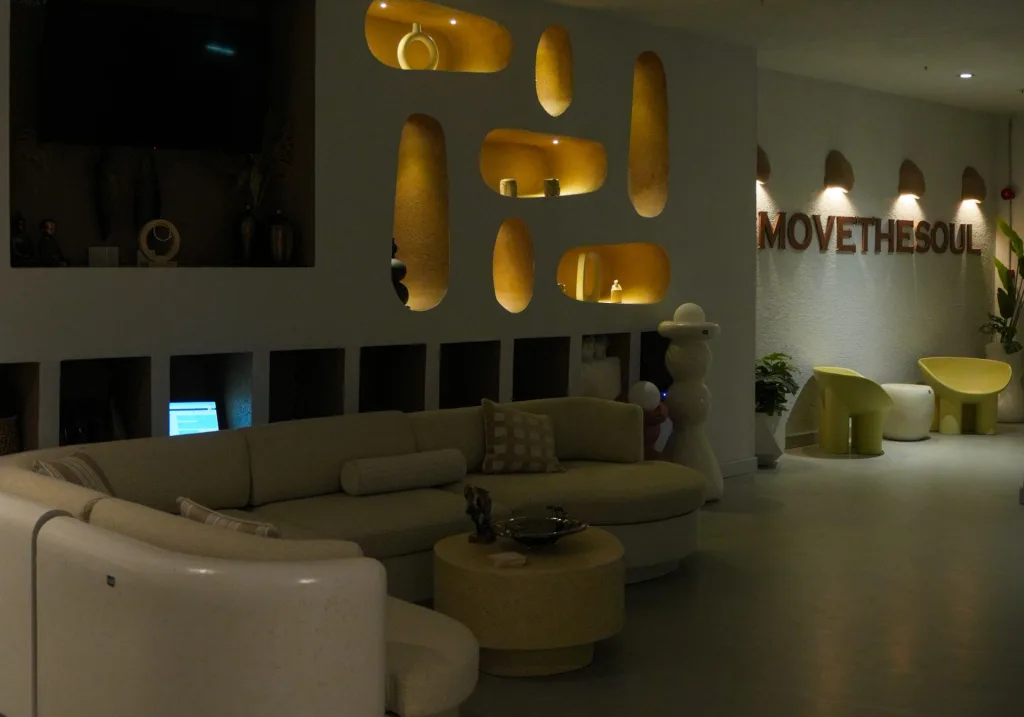
The cold room has a social side as well. In the past, people chatted, exchanged news and celebrated special occasions here. In traditions like the bridal bath or the bath held after childbirth, music, refreshments and group celebrations mostly took place in this section. Today, its counterpart is the spa's relaxation lounge and tea corner.
The Warm Room: Transition and Adjustment
The warm room is a smaller, moderately heated transitional section between the cold room and the hot room. It often consists of a narrow corridor or a few small rooms. In historic hammams, restrooms, shaving areas and drying spaces were usually located near here as well. Its function is simple but important: to keep the body from facing a sudden change in temperature.
Today many people want to hurry through this section and go straight to the hot room. Yet pausing for a few minutes in the warm room gives breathing and heart rate time to adjust to the new environment. Likewise on the way back, waiting a little in the warm room instead of moving straight from the hot room to the cool area offers a more comfortable transition.
The Hot Room: Navel Stone, Basins and Private Alcoves
The hot room is the heart of the hammam. At its center is the navel stone, a large, usually octagonal or circular marble platform heated from below. Guests lie on this stone to sweat, and scrubbing and foam treatments are mostly done here as well. Along the walls are marble basins where hot and cold water flows; bathing is done with a bowl using water from these basins.
In the corners or along the sides of the hot room are small, more private compartments called halvets. Those wanting a quieter wash would choose them. In historic hammams, the dome of the hot room has small, often glass-covered openings known as “eyes.” The light filtering through them combines with steam to create the soft, diffused glow unique to hammams.
The acoustics of the hot room are distinctive too. Because stone and marble surfaces reflect sound, the flow of water, bowls touching the basins and quiet conversation echo under the dome. That is why speaking softly and calmly has always been valued in hammam etiquette. The same principle applies today: talking loudly or using a phone in the hot room can easily interrupt others' rest.
The shape of the navel stone is no accident either. The octagonal or round form lets several people lie at equal distance around it and, aligned with the center of the dome, makes it the focal point of the space. The basins are placed so water flows toward the floor and drains rather than onto the stone. This way the stone stays clean and dry while washing takes place around it.
Where Does the Heat Come From?
In traditional hammams, heat came from a furnace called the külhan. Hot air from the furnace passed through cavities beneath the navel stone and floor, then rose through channels in the walls. Thanks to this system, stone and marble warmed slowly, held the heat for a long time and returned it to the body as a soft warmth coming from every direction. Although the energy source has changed in modern hammams, the logic of underfloor heating is largely preserved.
The Logic Behind the Order
The order of cold room, warm room and hot room respects the body's natural response to heat. Keeping this logic when using a hammam today makes the experience both more comfortable and safer:
- Do not rush at the entrance; undress in the cold room and rest for a few minutes.
- Take a short break in the warm room to prepare your body for the heat.
- When lying on the navel stone in the hot room, keep the time limited to your own comfort.
- On the way back, pass through the warm room again and rest in the cold room for at least a few minutes.
- If you feel dizzy, have palpitations or feel weak, move to a cool area right away and sit down.
This order is also a reminder that the hammam is not a place for hurrying. A few minutes spent in each section lets the mind slow down along with the body. Leaving your phone in the cold room, not checking the time often and savoring each stage is the way of using it closest to the spirit of the tradition.
In situations such as heart and vascular disease, blood pressure problems, pregnancy or regular medication use, consult your doctor before using hot environments.
Hammam Architecture in Today's Spas
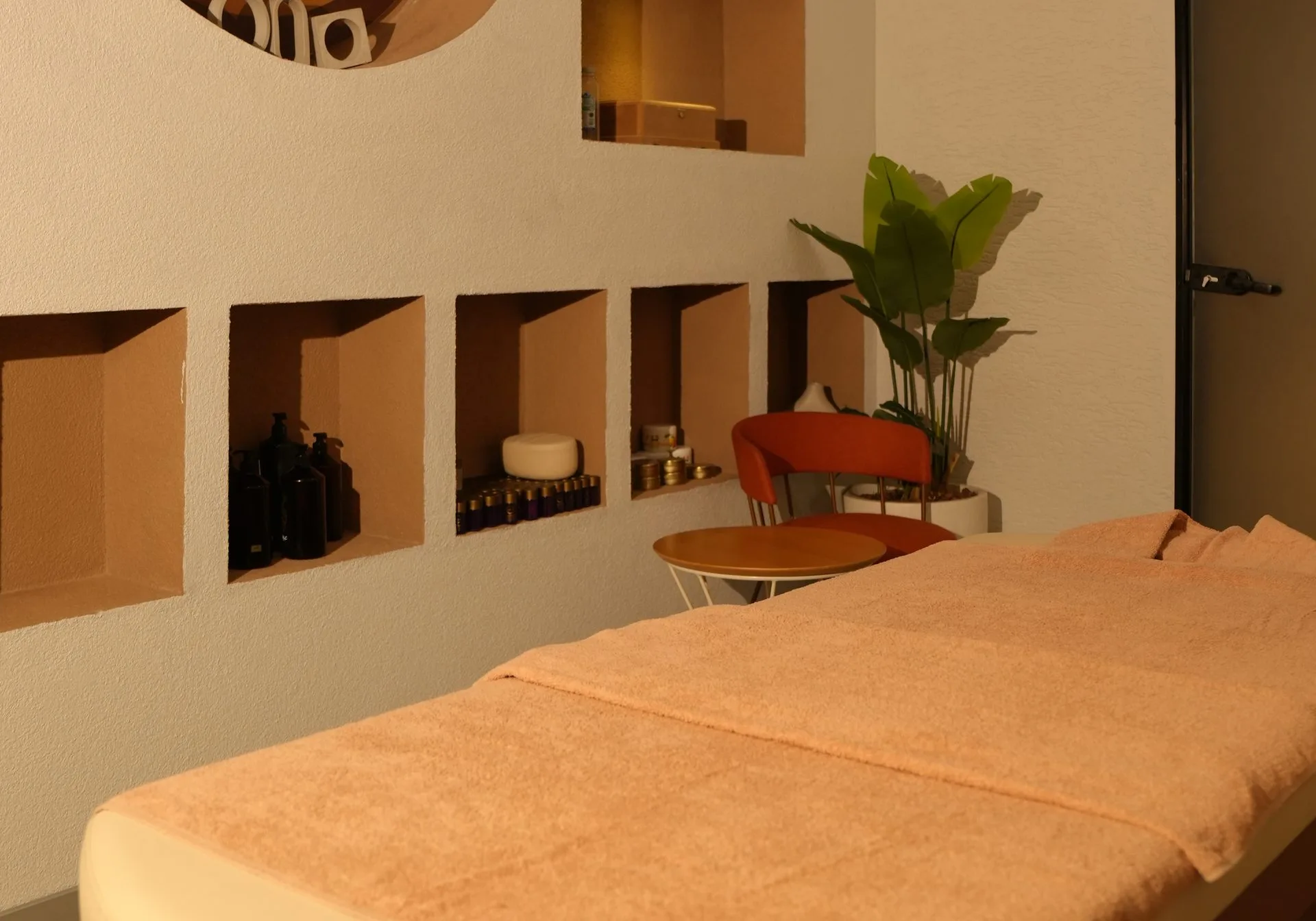
Hammams in modern spas are usually smaller and more compact than historic buildings. The cold room often merges with the spa's relaxation area rather than being a separate space; the warm room is designed as a shower section or a short transitional corridor. In the hot room, core elements such as the navel stone, basins and marble surfaces are preserved. In this way, the essence of the old ritual lives on at a scale suited to today's habits.
When you visit the hammam at a spa such as O'Spa Dragos in Maltepe, looking for traces of these three stages can be an enjoyable experience. Noticing which area serves as the cold room and which as the warm room naturally reminds you when your body needs rest as well.
If you have the chance to tour a historic hammam, we recommend looking closely at the architecture. The differing heights of the domes and the contrast between the spaciousness of the cold room and the more enclosed, intense atmosphere of the hot room tell the function of the space without words. Istanbul, with its many hammam buildings from different eras, is a rich city in this respect.
Frequently Asked Questions
Do you lie directly on the navel stone?
Usually a peshtemal or towel is laid down first. Since the stone can be hot, checking it with your hand and settling slowly is a good habit.
How long should you stay in the hot room?
There is no single, fixed duration that applies to everyone. Listen to your body, leave as soon as you feel uncomfortable, and ask your doctor any questions about your health.
Can you drink the water from the basin?
Basin water is used only for washing, not for drinking. If you feel thirsty in the hammam, choose the drinking water provided by the spa.