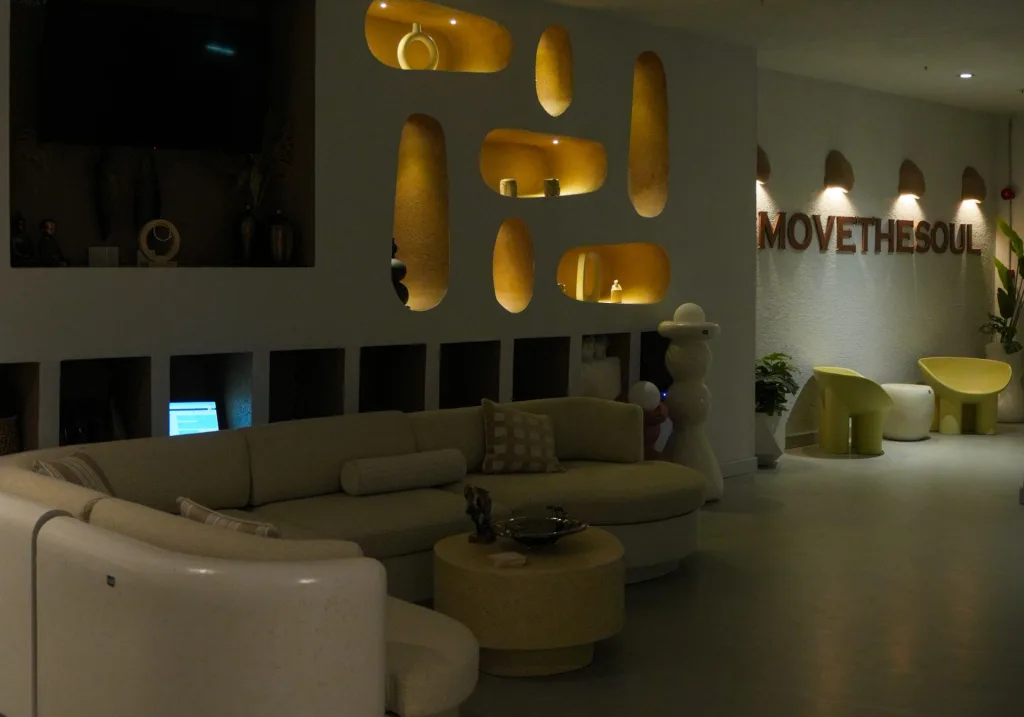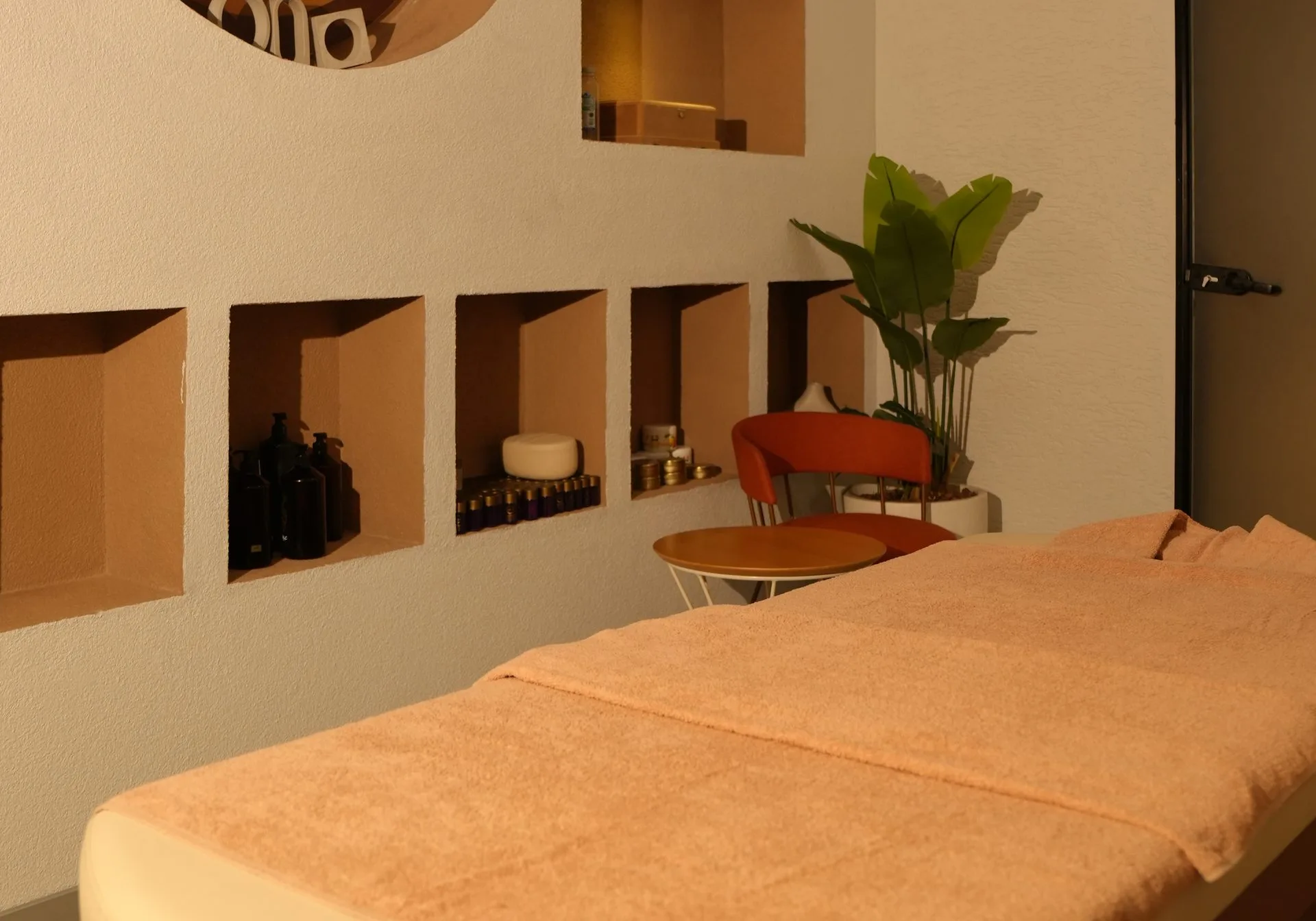
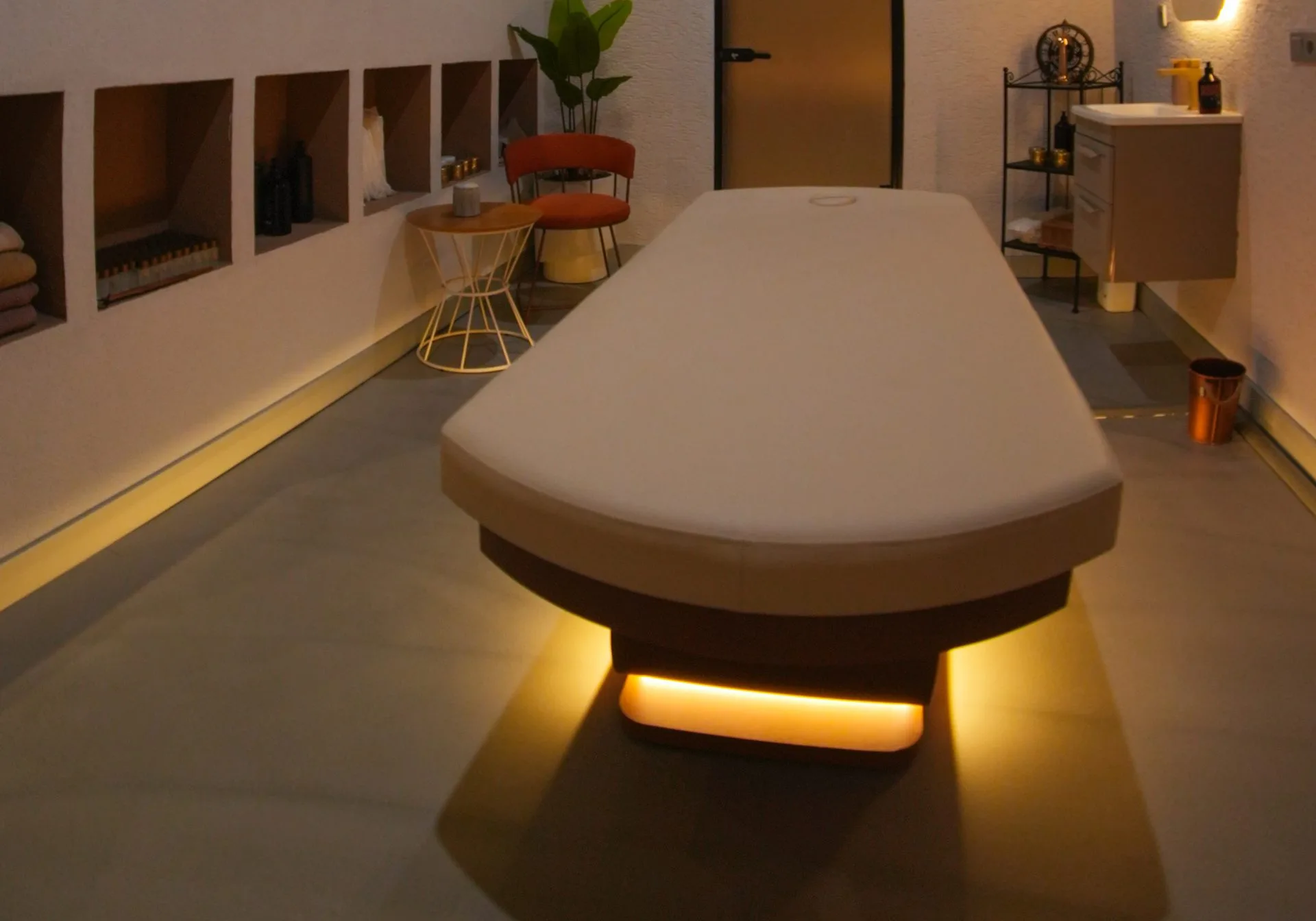
The traditional Turkish hammam is part of a centuries-old culture of care and socialising. For a first-timer, though, it can be confusing: where do you sit, how long do you wait, when does the kese happen and what comes next? In this guide we answer the question how to use a hammam step by step. Once you know the right sequence, the hammam stops being a complicated ritual and becomes a calm, predictable experience.
The Sections of a Hammam and the Logic Behind Them
A classic hammam has three main sections, arranged to warm the body gradually and then cool it down slowly.
- Soğukluk (cool room): The room-temperature area at the entrance. This is where you change and rest after your session.
- Ilıklık (warm room): A transition area at an intermediate temperature. The body acclimatises here and the breath slows.
- Temperature: The hottest and most humid section, home to the göbek taşı (heated marble platform). The kese and foam treatments take place here.
This three-part layout is no accident. Moving through the stages gradually, rather than going straight into the hottest area, is both gentler on circulation and more effective for relaxation.
Using the Hammam Step by Step
1. Preparation and Changing
In the changing area you will be given a peştemal (traditional cotton wrap) and takunya (hammam clogs). The peştemal stays on throughout; privacy is a fundamental rule of hammam culture. We recommend removing jewellery, watches and metal accessories, as they can heat up and become uncomfortable.
2. Take a Shower
A lukewarm shower before entering the hot room is necessary for hygiene and also prepares the skin for touch. A short one is enough.
3. Wait in the Warm Room
Rather than lying straight down on the göbek taşı, it is a good habit to sit in the warm room for a few minutes. Your breathing settles and your body prepares for the rise in heat.
4. Sweating on the Göbek Taşı
In the hot room you lie on the heated marble göbek taşı on your peştemal. Time spent here usually ranges from ten to twenty minutes. The aim is to soften the skin and let the body relax in the heat. There is no need to push yourself; if you feel dizzy, your heart races or you feel uncomfortable, move to the warm room straight away.
At this stage, simply lying quietly is enough. Leaving your phone aside is better for both the device and the experience.
5. Kese
Once the skin has softened, the tellak or natır (hammam attendant) moves on to the kese. Using a special kese mitt, the body is scrubbed in a set order, usually from the feet upwards. The surface layer of dead skin is lifted away and the skin takes on a noticeably smoother texture. It should feel like light friction; if you feel any sharp discomfort, say so and the pressure can be adjusted.
6. Foam Massage
After the kese, your body is covered in abundant foam. The rich lather from olive oil soap provides glide and softens the skin. The massage at this stage is not deep muscle work; it is a lighter, gliding and relaxing treatment. Many people describe it as the most enjoyable part of the hammam.
7. Rinsing and Hair Washing
The foam is rinsed off with lukewarm water from the kurna (marble basin) using a tas (metal bowl). Hair is usually washed at this stage too. Gradually lowering the water temperature helps the body return to its normal temperature.
8. Cool Room and Rest
This is the most often skipped yet most important step. Instead of getting dressed and heading out straight after the hammam, you should wrap yourself in a dry peştemal and rest in the cool room for fifteen to thirty minutes. Drinking water or warm herbal tea during this time helps replace lost fluids. Resting makes the sense of calm the hammam leaves behind last longer.
What to Know Before Your Hammam
- It is more comfortable not to enter the hammam straight after a heavy meal.
- Avoid planning a hammam on a day you have drunk alcohol; the hot environment puts strain on circulation.
- If you have had facial waxing or a chemical treatment that day, postpone your visit for a few days.
- It is practical to bring clean underwear, a comb and moisturiser.
- Keep your hair and skincare products ready to apply afterwards; skin is more receptive to moisture after the kese.
Frequently Asked Questions
How long do you stay in the hammam?
A standard hammam experience, including rest, takes about an hour to an hour and a half. The kese and foam portion usually accounts for around half an hour of that.
How often should you have a kese?
For most skin types, an interval of two to four weeks is enough. More frequent kese can tax the skin's natural protective barrier. If your skin is sensitive or dry, opt for a less frequent rhythm.
Is the peştemal removed?
No. The peştemal stays on throughout the treatment and is adjusted according to the area being worked on.
Is redness after the hammam normal?
A temporary pinkness from the kese and heat is normal and fades quickly. If lasting redness, itching or irritation occurs, the kese pressure may have been too much for you.
Can you go to the hammam every day?
You can go to sit in the heat, but a daily kese is not recommended. Even for the heat alone, it is important to listen to your body and stay hydrated.
Safety and Who Should Take Care
The hammam is a hot, humid environment and therefore places a load on the circulatory system. People with blood pressure problems, heart conditions, diabetes, epilepsy or thyroid issues, those who are pregnant and those on regular medication should consult their doctor before using the hammam. For children, time should be kept considerably shorter and adult supervision is essential. The hammam should be postponed during a feverish illness or when there is an open wound or active skin problem.
A practical safety note as well: marble floors are slippery when wet. Wearing the takunya and moving slowly is the simplest and most effective precaution.
Small Details That Improve the Experience
- Arrive fifteen minutes before your appointment; starting in a rush delays relaxation.
- Share your preferences for kese pressure, water temperature or duration at the outset.
- Applying moisturiser on the way out supports skin comfort after the kese.
- Try not to combine your hammam day with an intense workout or a long day of meetings.
The hammam is built on an unhurried rhythm. When you know the sequence and listen to your body's signals, it becomes a rewarding step in your care routine, both for skin texture and for an overall sense of relaxation. If you are planning your first hammam experience around Cevizli and Maltepe, remember to include the resting time at the end in your schedule.