Swedish massage is the best-known classic massage in the world and the one you'll find most often on spa menus. If you have never had a massage before and don't know where to start, Swedish Massage is usually the recommended first step. The reason is simple: the pressure is easy to adjust, the movements are flowing and your body settles into a rhythm where you can anticipate what comes next. In this guide we explain what Swedish massage is, which hand techniques it consists of, how a session unfolds step by step and what to keep in mind as a first-timer.
What Is Swedish Massage?
Swedish massage is a full-body approach focused on the superficial and mid-depth muscle layers, dominated by gliding strokes. Massage oil or lotion is used, allowing the hands to move over the skin without catching, in long, uninterrupted lines. The aim is not to force the muscles but to give the body an overall sense of relaxation.
Many people confuse Swedish massage with other techniques. Deep tissue massage, for example, uses more targeted and intense pressure, whereas Swedish massage puts wholeness first: the therapist works your back, legs, arms and shoulders in a set order and at a similar pace. By the end of the session you feel that your whole body, not just one area, has been cared for.
The Core Movements of Swedish Massage
This type of massage has its own repertoire of hand techniques. Throughout the session, the therapist blends these movements in sequence according to the needs of each area.
- Gliding (effleurage): Long, flowing strokes made with the palms. They are used at the start of the session to accustom the skin to the oil and touch, and at the end to bring the body together.
- Kneading (petrissage): Lifting and releasing the muscle tissue with the fingers and palms, much like kneading dough. It brings a distinct feeling of release to muscular areas such as the shoulders and legs.
- Friction: Circular, deepening movements made over a smaller area with the fingertips or thumbs. They are used on spots that feel tense.
- Rhythmic percussion (tapotement): Light, quick, rhythmic taps made with the edge of the hand. They can be used as an invigorating interlude in the middle or towards the end of the session.
- Vibration: Applied as a gentle shaking of the tissue by the hand, leaving a soothing effect especially on large muscle groups.
Not all of these movements are used with the same intensity in every session. The balance changes according to how you are that day, your sensitive areas and your preferred pressure.
How Does a Swedish Massage Session Unfold, Step by Step?
A Short Pre-Session Consultation
Good treatment always starts with a conversation. Your therapist will ask where you feel tension, whether you have had massage before, and whether you have any known conditions or recent injuries. It is important to speak openly at this stage; for example, if you don't like having your neck touched, saying so at the outset makes the whole session more comfortable.
Preparation and Positioning
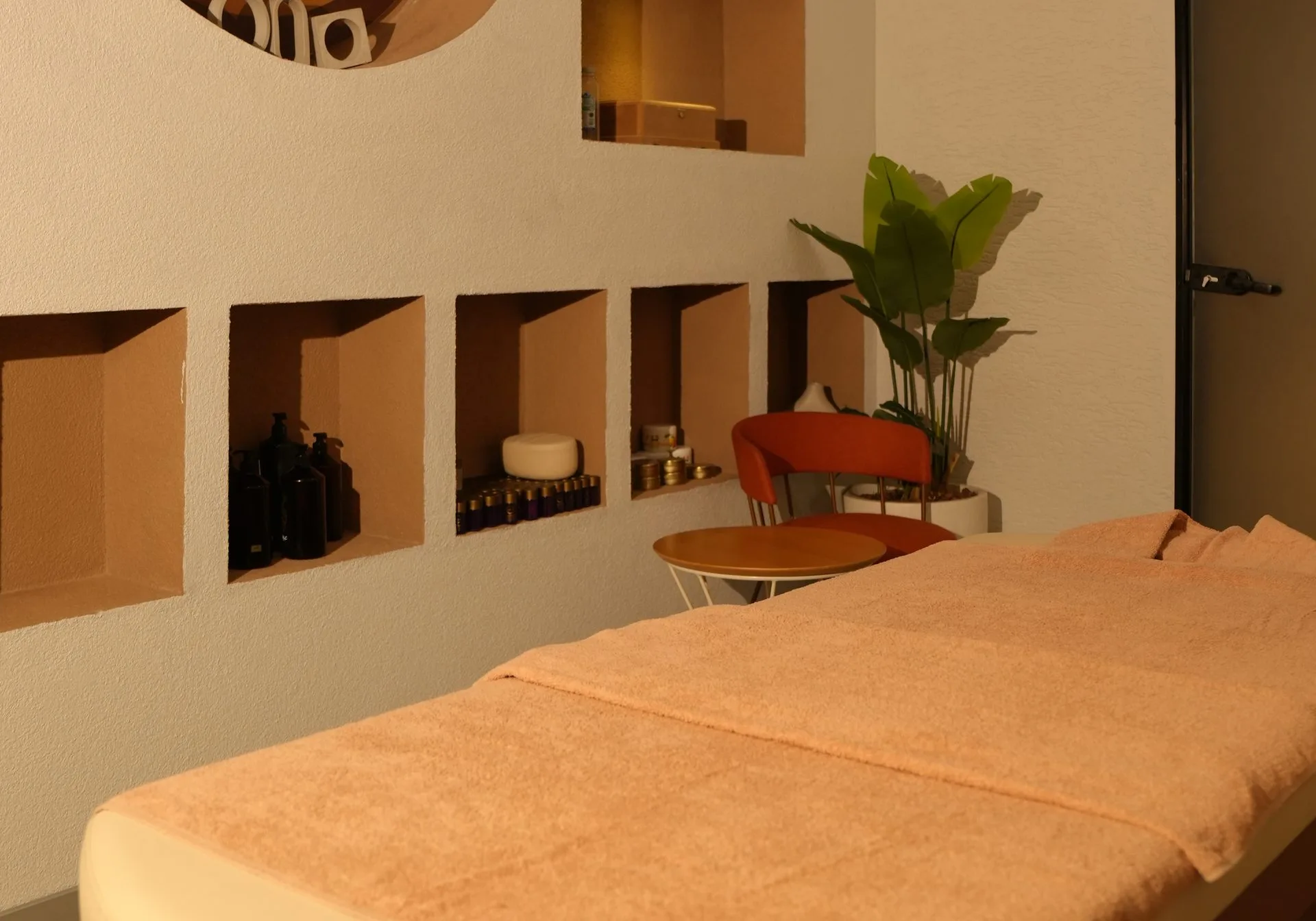
Once in the room, you are given privacy and lie down on the massage table. Your body is covered with a towel or sheet, with only the area being worked on uncovered at any time. This keeps you warm and maintains a sense of privacy. It is common to start face down, as the back and backs of the legs are usually treated first.
The Flow of the Session
The therapist usually begins with the back, then moves down to the backs of the legs, calves and feet. You are then asked to turn onto your back, and the fronts of the legs, arms, hands, shoulders and neck are worked. Most menus also include a short section for the head and scalp. Total duration usually ranges from 50 to 90 minutes; the length directly affects the time given to each area.
Closing
The session ends with slow gliding strokes similar to those at the start. You are then advised to stay on the table for a few minutes before slowly sitting up. A slight grogginess or heaviness after massage is normal and passes quickly.
What Should You Expect from Swedish Massage?
This type of massage suits people seeking relief from the general fatigue caused by sitting at a computer all day or repetitive movements. After a session, most people report:
- A reduced feeling of tension in the shoulders and back
- A slower breathing rhythm and mental calm
- A freer, more flexible sense of the body when moving
- Finding it easier to unwind in the evening
A measured view is needed here: massage is not a medical treatment and does not aim to eliminate an existing condition. If you have persistent pain, consulting a healthcare professional before planning a massage is the best approach. Massage should be seen as a care routine that supports overall wellbeing.
Practical Tips for Your First Session
Before Your Appointment
- Avoid a heavy meal right before the session; a light snack is more comfortable.
- Make sure to drink enough water during the day.
- Try to arrive fifteen minutes before your appointment; rushing delays relaxation.
- Choose comfortable, loose-fitting clothing.
During the Session
- Don't hesitate to speak up if the pressure feels too strong or too light. Your therapist wants to know.
- Try not to hold your breath; breathing slowly and deeply makes things easier, especially while tense areas are being worked.
- You don't have to talk. Silence and conversation are both perfectly fine.
After the Session
- Keep drinking water and, if possible, avoid scheduling an intense workout on the same day.
- A hot shower or a short rest can extend the feeling of relaxation.
- You may have mild muscle tenderness the next day; this usually passes within a day or two.
How Often Does It Make Sense?
There is no single right answer. If you are going through a busy period and feel constant tension around your shoulders, an interval of two to four weeks makes a sustainable rhythm for most people. Less frequently, such as once a month or at the change of seasons, can be enough to keep your care routine alive. What matters is not expecting a major transformation from one session, but thinking of massage alongside other habits such as sleep, movement and nutrition.
Who Is It Not Suitable For?
Massage is postponed during a feverish infection, after a recent injury or surgery, and in the presence of an open wound or active skin problem. If pregnancy, a chronic illness or regular medication is involved, you should seek your doctor's opinion before treatment. Sharing this information with the spa team ensures your session is planned safely and appropriately.
Swedish massage requires no complicated preparation and makes a first experience remarkably predictable. When you set your expectations right — seeing it not as a miracle but as a step in self-care — it opens a calm space that helps you get to know your body better. If you are planning your first massage around Cevizli and Maltepe, noting which areas feel tense before you arrive makes it easier to tailor the session to you.