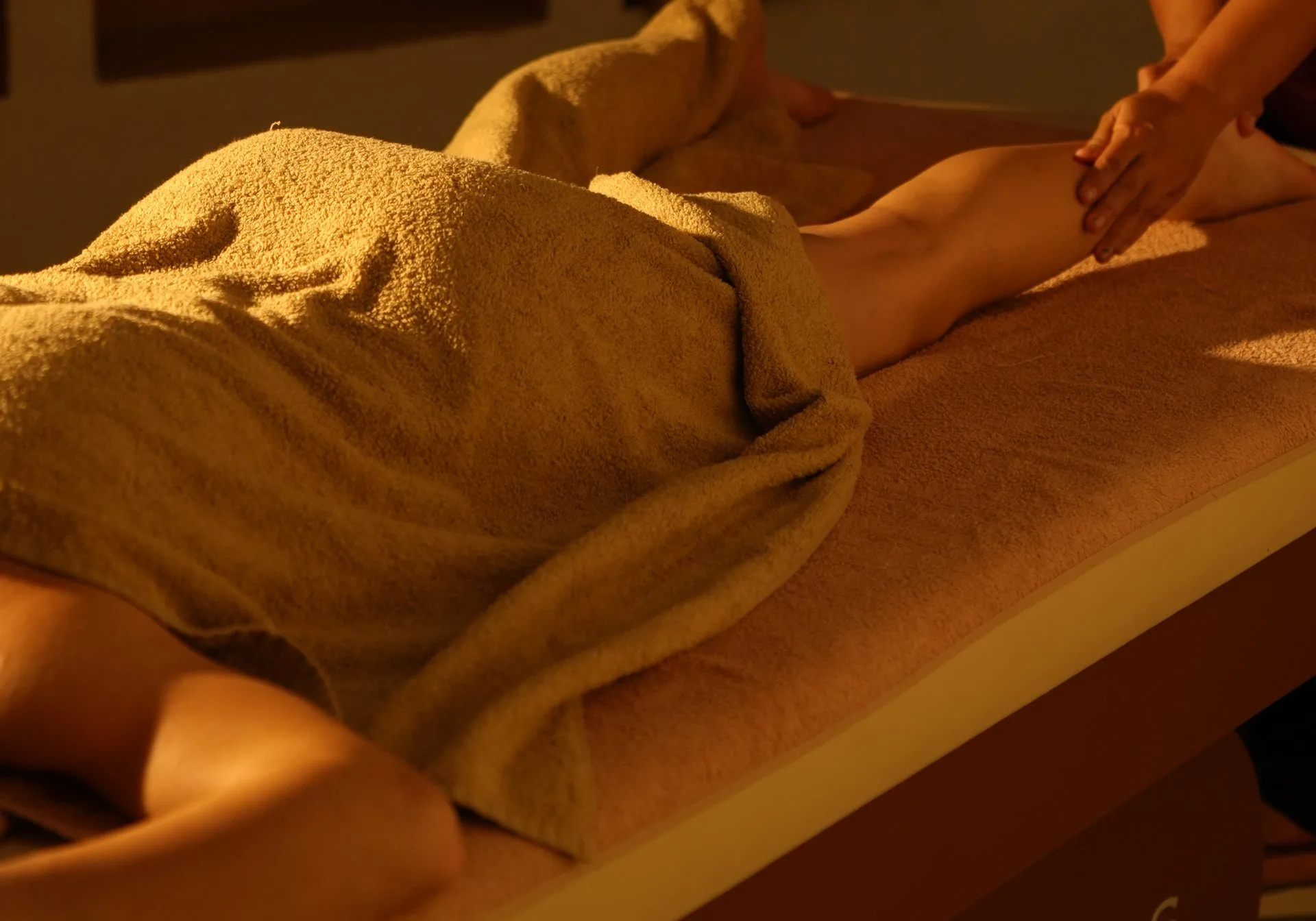
Listed side by side on spa menus, two treatments form the heart of the hammam experience: kese and foam massage. Most people think of them as a single service, but they serve different purposes and should be applied in a specific order. In this article we answer the questions: what is kese and foam massage , how is it performed, in what order does it proceed and what can you realistically expect from the session?
What Is Kese?
Kese is the mechanical removal of dead skin cells that build up on the skin's outermost layer, using a special woven mitt. It is one of the fundamental steps of Anatolian hammam culture and has been done the same way for centuries: the skin is first softened in a warm, humid environment, then scrubbed clean.
What makes kese effective is the preparation as much as the mitt itself. Kese on dry skin is irritating, whereas the same movement on skin that has been sweating on the heated marble stone for fifteen minutes works with far less friction. That's why a good hammam team never rushes into the kese.
How Kese Affects the Skin
- The skin surface gains a noticeably smoother texture.
- Moisturisers and care products applied afterwards spread more easily.
- Areas that are hard to reach, such as the back and shoulders, get a thorough clean.
- Surface smoothness can be supported in areas prone to ingrown hairs.
It's important to be measured here: kese is not a cure for any skin condition and doesn't promise a permanent transformation. Its action is superficial and mechanical; its benefit lies in skin comfort and supporting your care routine.
What Is Foam Massage?
Foam massage is a gentle, gliding massage performed by generously applying a rich, light lather made from olive oil soap over the body. In the traditional method, the foam is created by squeezing it through a cloth bag, covering the body in a cloud-like texture.
What sets it apart from classic massage isn't depth but texture. The foam lets the hands glide over the skin with almost no friction; the feeling is one of being enveloped rather than of pressure. That's why foam massage is best thought of not as a way to release muscle tension, but as a way to soften the skin after kese and create an overall sense of relaxation.
The Right Order of Steps
The order of steps in the hammam experience isn't random. Each step prepares for the next.
1. Shower and Transition
It starts with a short, warm shower, followed by a few minutes in the intermediate-temperature room. The aim is to let the body adjust gradually to the rising heat.
2. Softening on the Heated Marble Stone
Ten to twenty minutes on the heated marble prepares the skin for the kese. This time can be shortened according to your comfort.
3. Kese
The kese mitt usually starts at the feet and moves upwards, following lines that take circulation into account. The back, arms, legs and torso are worked on. The face is generally not included in the kese; separate, gentler treatments are preferred for the face.
4. Rinse
After the kese, the removed layer is rinsed away with warm water. If this step is skipped, the foam massage won't give the same feeling of cleanliness.
5. Foam Massage
The body is covered in generous foam and worked with slow gliding movements. It usually lasts between ten and twenty minutes.
6. Final Rinse and Hair Wash
The foam is fully rinsed off, the hair is washed and the water temperature is gradually lowered.
7. Rest
Wrapping yourself in a dry peshtemal and resting in the cool room for at least fifteen minutes is an essential part of the experience. Drinking water or a warm herbal tea during this time is beneficial.
What Do You Feel During the Session?
During the kese you'll feel moderate friction and warmth. Redness and warmth of the skin are normal. If you feel a sharp burning or pain, that isn't normal; ask for lighter pressure.
Foam massage is a completely different experience: lightness, smoothness and a warm, enveloping feeling. Many people describe a near-sleep state of relaxation during this part. Commonly reported impressions at the end of the session include:
- A feeling that the skin is noticeably cleaner and softer
- An overall lightness and a slower breathing rhythm
- Finding it easier to unwind in the evening
- A sense of reduced tension in the shoulders and back
How Often Can You Have It?
For most skin types, the interval between kese sessions is two to four weeks. If your skin is normal and resilient, every two weeks may suit you; if it's dry or sensitive, every four weeks. Since foam massage is gentler, it can be enjoyed more often, and even on its own on visits without kese.
Repeating kese every week can tire the skin's natural protective barrier and increase dryness. So rather than increasing the frequency, it makes more sense to look after your moisturising routine in between.
How to Care for Your Skin Afterwards
- Apply moisturiser or body oil within the first hour after leaving; the skin is more receptive to care at this stage.
- Avoid harsh chemical products, perfumed lotions or treatments such as waxing on the same day.
- Postpone direct, prolonged sun exposure for that day.
- Keep drinking plenty of water.
- If you feel irritation, ask for a lighter kese at your next session.
Who Should Be Careful?
Kese is not applied if there are open wounds, cracks, a new tattoo, sunburn, or an active condition such as eczema or psoriasis. On very sensitive, easily irritated skin, the kese is either skipped or made noticeably gentler. During pregnancy, with blood pressure or heart conditions, diabetes or regular medication, seek a doctor's advice regarding both the hot environment and the treatment. And if you've had a chemical peel or laser treatment, ask your practitioner about the recommended waiting time before kese.
Small Preparations Before Your Appointment
- Don't eat a heavy meal right before your session.
- Bring clean underwear, a comb and moisturiser.
- Share your skin sensitivity and any health conditions from the start.
- Include rest time afterwards in your schedule; don't plan in a rush.
Kese and foam massage are two complementary steps. One purifies the skin; the other softens and soothes it. When you get the order and frequency right, they create a satisfying care routine without exaggerated expectations. If you're planning a hammam session around Maltepe and Dragos, mentioning your skin type and preferred kese intensity from the start will noticeably improve your experience.