Shiatsu masajı, adını Japonca “parmak” ve “basınç” anlamına gelen iki kelimeden alır. Yağ kullanılmadan, rahat giysiler üzerinden yapılan bu teknikte terapist parmak uçlarını, avuçlarını, zaman zaman dirsek ve dizlerini kullanarak bedenin belirli hatları boyunca ritmik bir basınç uygular. Kayarak ilerleyen klasik masajlardan farklı olarak shiatsu daha çok “bas, bekle, bırak” düzeniyle çalışır.
In this article we bring together the origins of the technique, how a session unfolds, which expectations are realistic, and practical preparation tips for first-timers. Our aim is to explain in plain language what lies behind this name on the menu and to help you make an informed choice.
The Origins and Core Idea of Shiatsu
Shiatsu took shape in Japan in the twentieth century, when traditional hands-on practices were turned into a systematic method. It draws on East Asian ideas of energy channels and balance; today, however, many practitioners describe the technique in plainer terms, as a form of touch aimed at softening muscle tension and calming the body.
The core idea is the quality of pressure. Instead of pushing with muscle strength, the therapist transfers weight by leaning the body forward. That way, the pressure feels deep but not harsh, spreading slowly. Throughout the session, both of the therapist's hands usually stay on the body: one works while the other provides supportive contact.
Why Do the Pressure Lines Matter?
Shiatsu practitioners read the body through connected lines rather than random points. When the back is worked, for example, the muscle bands on either side of the spine are followed from top to bottom; on the leg, the inner, outer and back surfaces are addressed separately. This order gives the session a sense of wholeness and keeps any area from being forgotten. While tracing a line, the therapist feels resistance, warmth and tension under the hands and lengthens or shortens the pressure accordingly.
In daily life this approach is quite concrete. In a body that stays in one position for long hours, some areas stiffen while others are barely used. Pressure that travels along a line makes this contrast easier to notice; many people feel for the first time during a session that tension has gathered somewhere other than where they assumed.
How Does a Shiatsu Session Unfold?
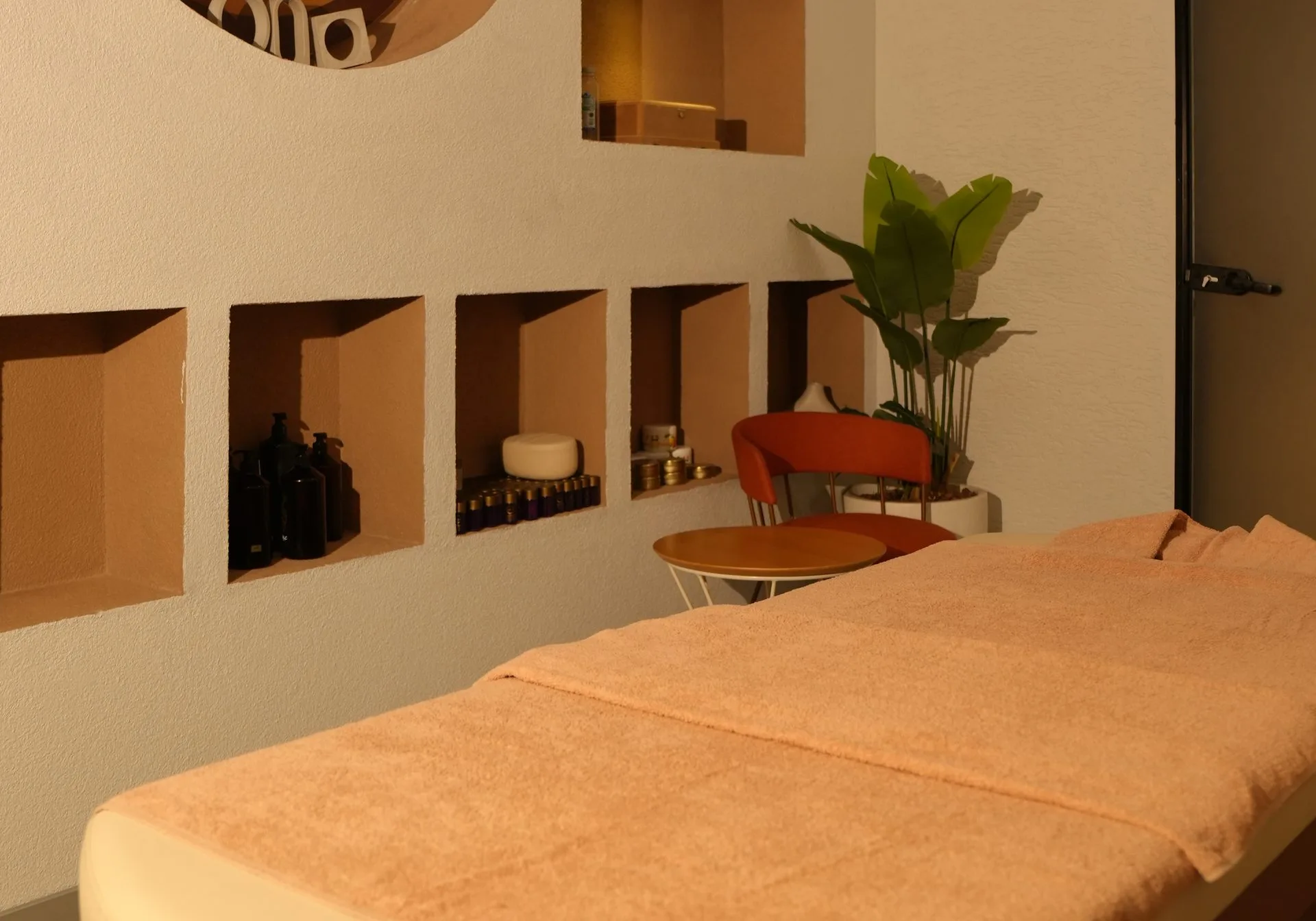
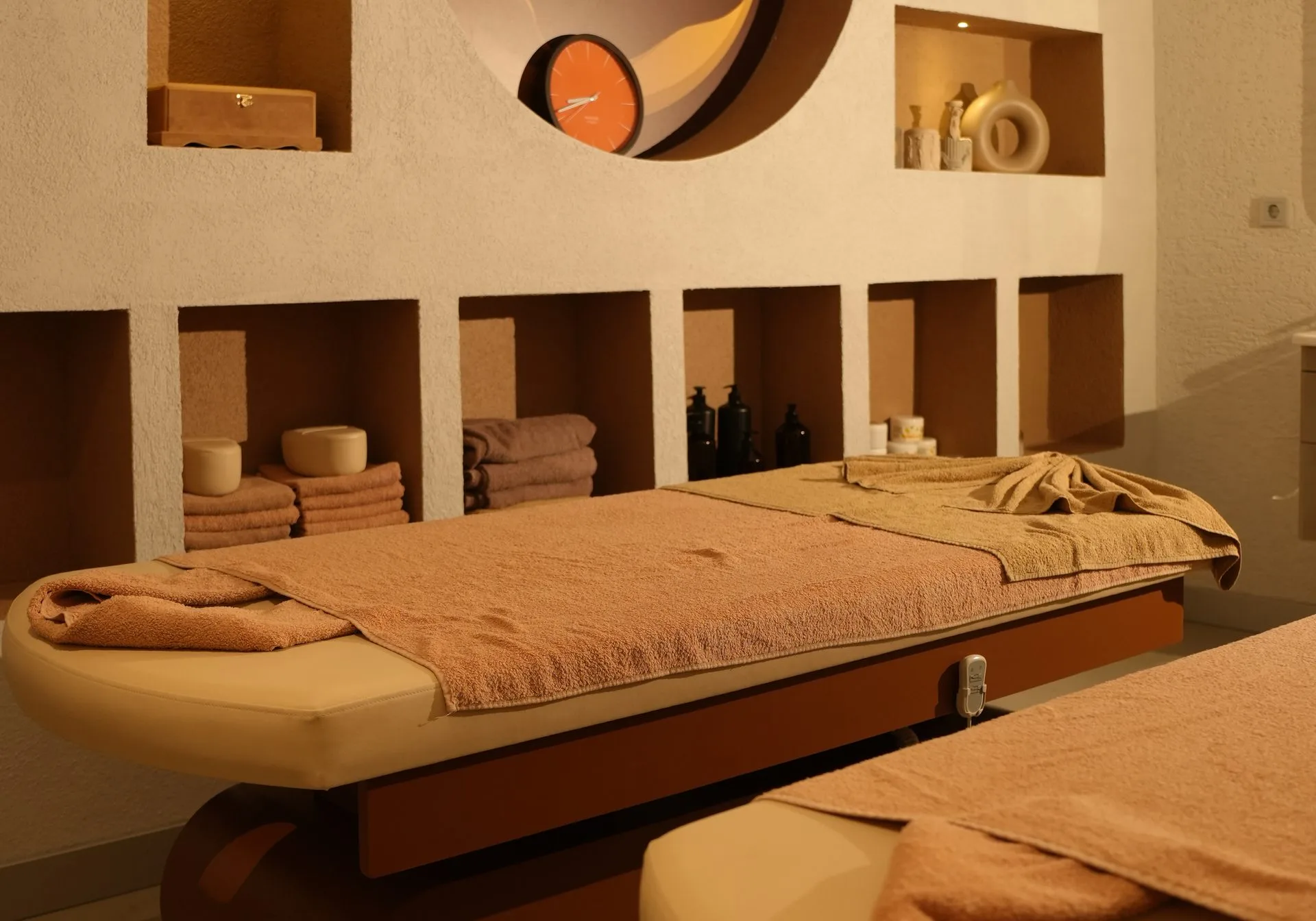
Traditionally, shiatsu is performed on a mat laid on the floor; some centers prefer a massage table. Since clothes stay on, cotton, stretchy garments that do not constrict the body work best. The session usually begins with a short conversation.
- Ön görüşme: Terapist gün içindeki yorgunluğunuzu, hassas bölgelerinizi ve basınç tercihinizi sorar.
- Karın ve nefes: Bazı uygulayıcılar seansa karın bölgesine hafif dokunuşla ve nefesi gözlemleyerek başlar.
- Sırt ve omuzlar: Yüzüstü pozisyonda omurga boyunca basınç noktaları sırayla çalışılır.
- Kol ve bacaklar: Uzuvlar hafifçe esnetilir, eklemler nazik rotasyonlarla hareket ettirilir.
- Boyun ve baş: Seans çoğu zaman sırtüstü pozisyonda boyun ve kafa derisine yapılan yavaş basıyla kapanır.
Pressure is sometimes held on one point for a few seconds, and at other times it moves like a wave with the palm. It may feel unfamiliar in the first minutes; many people soon notice that the rhythm slows their breathing.
Although session length varies by center, the flow is generally unhurried. The therapist takes care not to break contact when moving from one area to another; this continuity helps the body feel safe. When you need to change position, you are told gently and given time to turn. If you need the restroom, feel cold or are uncomfortable in a position mid-session, do not hesitate to say so; these are things the therapist can easily adjust.
How Shiatsu Differs From Other Massage Types
An easy way to understand shiatsu is to place it next to familiar techniques. The differences below can guide your choice:
- Yağ yok: İsveç ya da aromaterapi masajında yağ cildin üzerinde kaymayı sağlar; shiatsu ise kuru temasla yapılır.
- Giysi üzerinden: Soyunmak istemeyenler ya da çıplak tenle temastan çekinenler için rahat bir seçenektir.
- Ritim farklı: Uzun sıvazlamalar yerine durup bekleyen basınçlar ön plandadır.
- Thai masajıyla benzerlik: Her ikisi de minderde ve giysiyle yapılabilir; ancak Thai masajında esneme hareketleri daha belirgindir.
Who Might It Suit?
Shiatsu is often chosen by people who sit at a desk all day, feel tightness in the shoulders and neck, or dislike the heavy feeling oil massage can leave. It is also practical for anyone who must head back to work or a meeting right after; there is no need to shower or remove oil.
Some people choose shiatsu to slow the mind after a stressful week. Because the pressure is rhythmic and predictable, it helps draw attention away from thoughts and into the body. While this feeling is entirely subjective, many guests say at the end of a session that their breath has deepened and their shoulders have dropped a little away from their ears.
In some cases, you should consult your doctor first. Pregnancy, recent surgery, a fracture or serious joint problem, a condition related to blood pressure or blood clotting, a feverish illness, and open wounds top the list. Shiatsu is not a medical treatment; it does not replace the diagnosis or treatment of any complaint.
Preparing for Your First Session
Preparation is simple but noticeably shapes the experience. Skipping a heavy meal right before the session makes pressure on the abdomen feel more comfortable. Jewelry, belts and clothes with zippers can also make pressure uncomfortable.
- Bring loose cotton sweatpants or yoga clothing.
- Decide in advance whether you want to wear socks; the soles of the feet may be worked too.
- If the pressure is too much, say so right away; therapists adjust to each person.
- After the session, lie still for a few minutes, rise slowly and drink some water.
What Might You Feel Afterward?
The experience varies from person to person. Some report a mild heaviness and drowsiness, while others feel more alert and light. Areas that received intense pressure may feel slightly tender the next day; this usually passes quickly. If tenderness lasts or turns into pain, it is best to see a health professional.
Planning what comes after is also part of the experience. Rather than heading straight into an intense workout or a long drive, taking a short walk, having a warm drink and keeping the evening calm help the body adjust to the change it has gone through. Some people say they sleep more deeply that night; others notice no clear difference. Both reactions are normal, and expecting a definite result from a single session is not realistic.
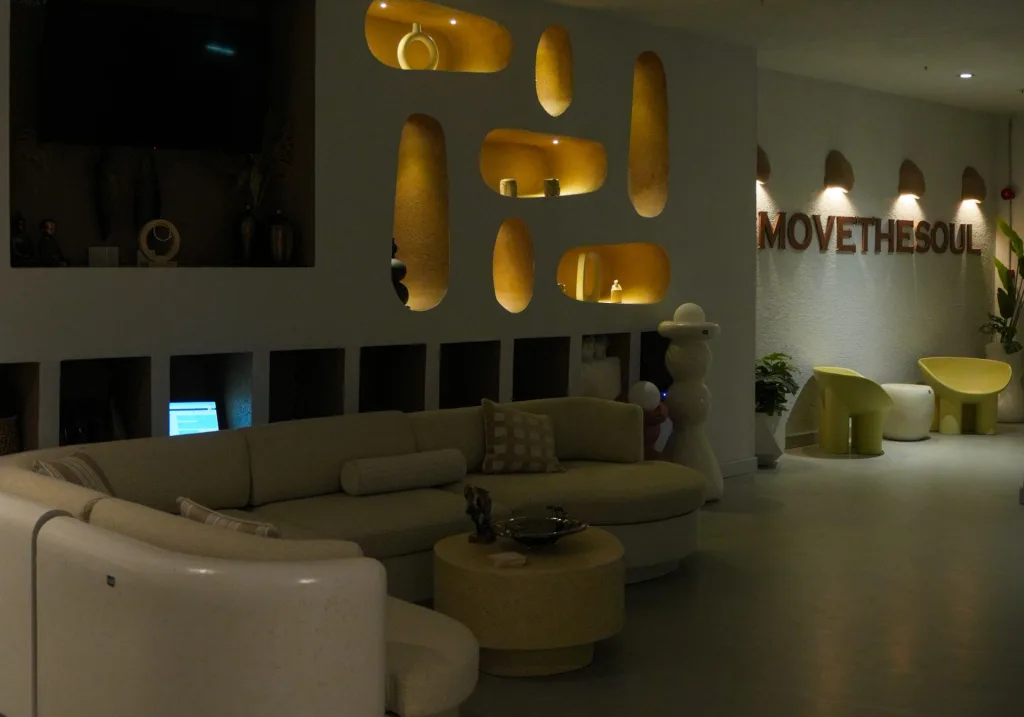
When looking through the massage menu at a spa such as O'Spa Dragos in Maltepe, asking about shiatsu or similar pressure-based techniques is a good way to clarify which treatment suits you. A short talk with the therapist makes your first choice easier.
Frequently Asked Questions
Does shiatsu hurt?
When done correctly, it should not hurt. You may feel a “good” ache at some points; sharp or stabbing pain is a sign that pressure should be reduced.
Do I need to talk during shiatsu?
No. It is enough to speak up if the pressure or position bothers you; otherwise you can stay quiet and focus on your breathing.
How often can I have shiatsu?
There is no fixed rule. Setting the interval based on your body's response, your daily pace and, if relevant, your doctor's advice is the healthiest approach.