Spa merkezi seçerken çoğumuz önce fotoğraflara, menüdeki masaj isimlerine ve konuma bakarız. Bunlar elbette önemlidir; ancak bir seansın gerçekten rahatlatıcı geçip geçmeyeceğini belirleyen şey çoğu zaman daha az göze çarpan ayrıntılardır. Havluların temizliği, randevu sırasında sorulan sorular, terapistin sizi dinleme biçimi ve ortamın sessizliği, deneyimin kalitesini sessizce şekillendirir.
In this guide, whether you are going to a spa for the first time or looking for a regular habit, we have grouped the signs you can look at when evaluating a center. The aim is not to find a flawless place, but to choose more consciously a center that earns your trust and meets your expectations.
First Clues From the Booking Process
Your first contact with a spa is usually a phone call, a message or an online booking form. How you are approached at this stage gives an idea of the center's general attitude. Patient answers to your questions, clear explanations of the services and no rush to push you toward a package are good signs.
Being asked some health questions, especially on your first visit, is also a positive indicator. Questions about pregnancy, recent surgery, allergies, skin sensitivity or blood pressure show that the center cares about adjusting treatments to the person. Even at a place that does not ask, sharing this information yourself is important.
- Are the duration and content of services explained clearly?
- Are cancellation and rescheduling terms stated up front?
- Are preferences such as the therapist's gender asked about or respected?
- Are you told which items are provided and what to bring?
The menu itself carries clues too. A menu that clearly states what each service includes, which areas it covers and who it may not suit reflects an approach that values transparency. On the other hand, descriptions that attach bold results to every treatment and use words like “guaranteed,” “miraculous” or “cures” call for caution. Massage and spa treatments aim at relaxation and feeling good; presenting them as a solution to a health problem is not right.
Clarity about pricing matters as well. Sharing extra charges, package contents and durations clearly from the start prevents surprises at the end of a session. Knowing what you pay and what you get in return is part of relaxing too.
Hygiene: The Visible and the Invisible
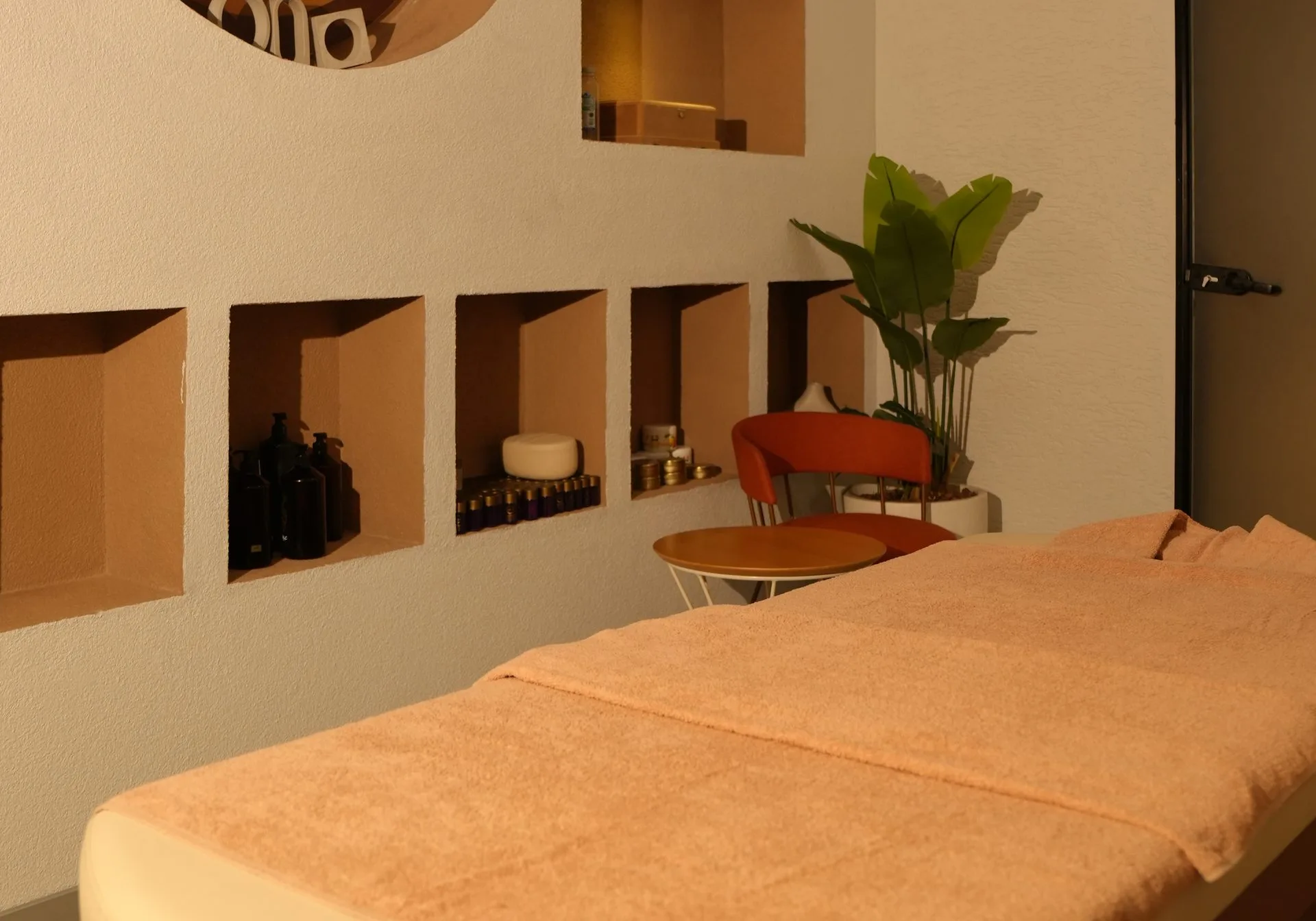
Hygiene is a non-negotiable foundation at a spa. Some signs are easy to notice: clean, odorless towels, table covers changed for each guest, dry and well-kept floors, tidy changing areas. The absence of mold or a lingering damp smell in wet areas also matters. In sections such as the hammam and sauna, it is usually easy to tell whether surfaces are cleaned regularly.
Invisible hygiene lies in the treatments themselves. The therapist washing their hands before the session, oils and creams being kept in closed, labeled containers, and personal items like the kese not being shared, or being replaced for each use, all fall into this category. Do not hesitate to ask about anything you are curious about; a good center answers such questions openly.
Communication With the Therapist
The quality of a massage depends largely on the therapist's skill and the communication they build with you. A short conversation before the session, with questions about your expectations, sensitive areas and pressure preference, is a sign of an effort to get to know you. Being asked “How is the pressure?” now and then during the session also shows the line of communication is kept open.
Being able to say so if you feel uncomfortable at any moment, and having it acted on immediately, is the foundation of a safe setting. A professional approach to draping is also expected: uncovering only the area being worked and keeping the rest of the body covered with a towel or sheet is standard practice. If you sense any ambiguity about these boundaries, you always have the right to stop the session.
Asking About the Therapist's Training
It is entirely reasonable to ask which techniques a therapist has been trained in and how long they have been working. Especially for more specialized techniques such as deep tissue, sports massage or hot stone, this information makes it easier to be matched with the right person.
How things are handled after the session also shows a center's care. Being offered water or a warm drink after the massage, being given time to dress without being rushed and being allowed to sit in the relaxation area are small but meaningful details. Some therapists briefly share their observations after the session; this is not a diagnosis but a helpful note for your next choice.
Setting: Quiet, Light and Temperature
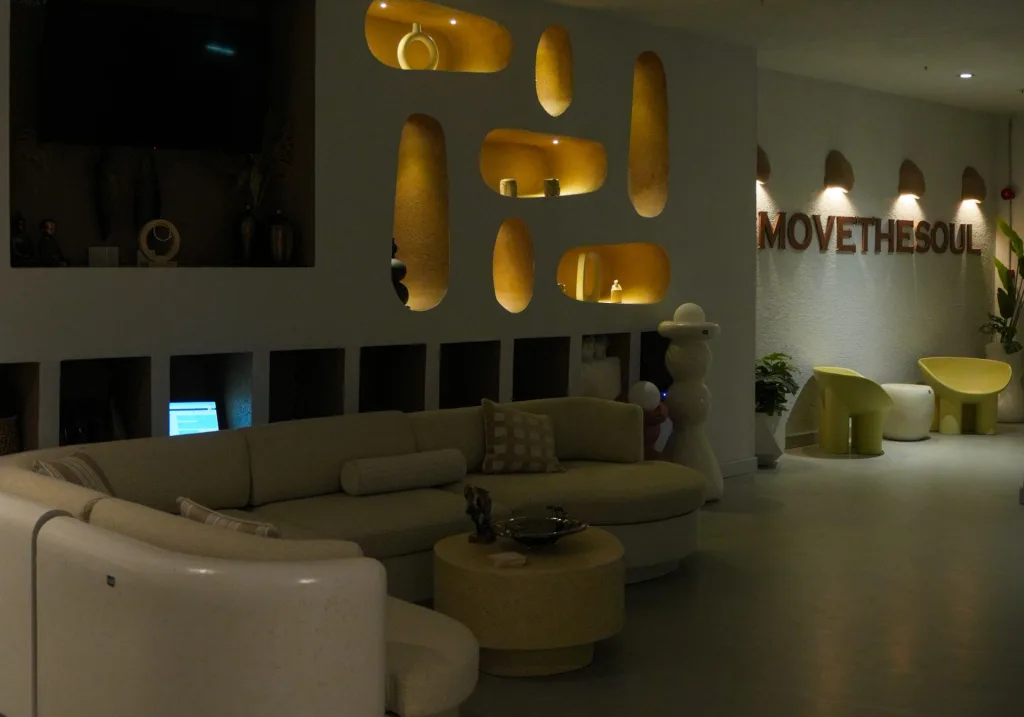
The spa setting is an important part of rest. A massage room insulated from outside noise, light soft enough not to strain the eyes and a room kept warm enough not to feel chilly all make it easier for the body to relax. If there is music, it should be low; you can ask for it to be turned off or changed if you like.
A similar calm is expected in shared areas. Keeping the relaxation area quiet, guests not talking loudly on their phones and staff communicating in low voices set the spa's overall atmosphere. This atmosphere can create a sense of relaxation that lasts much longer than a single massage.
Heat Areas and Safety
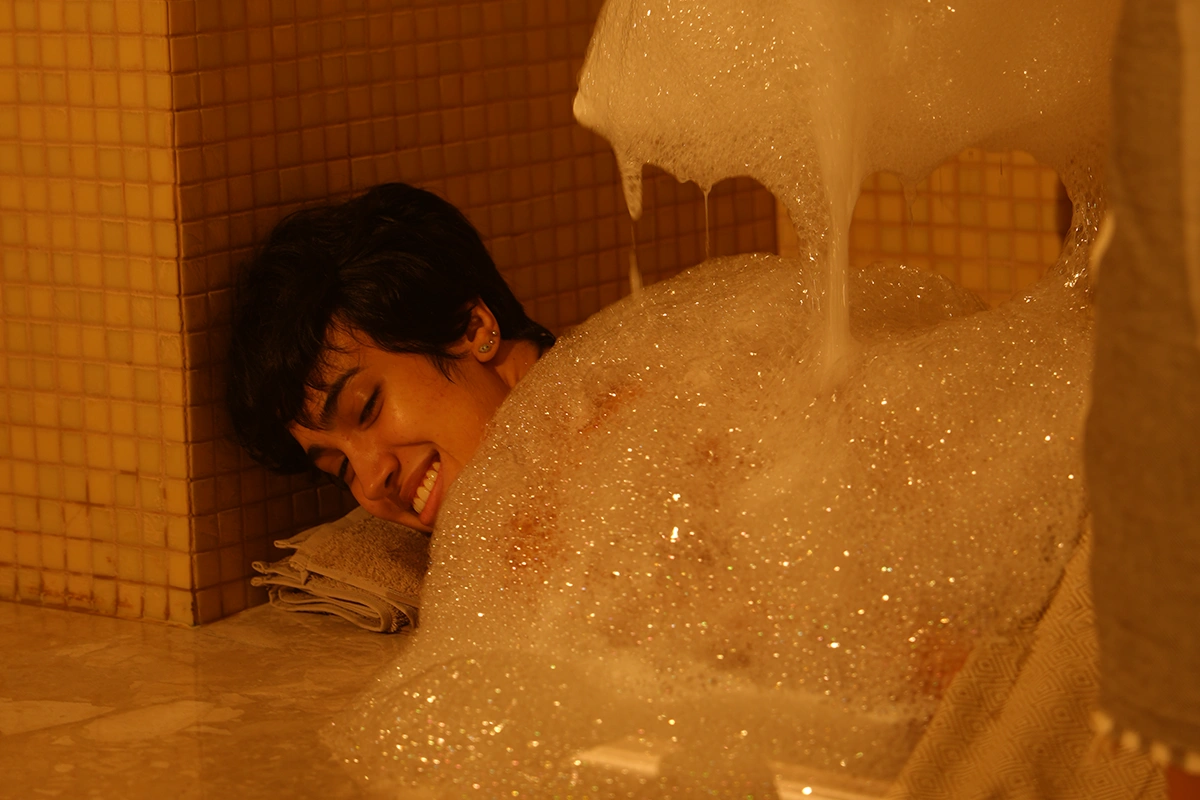
Areas such as the hammam, sauna and steam room are beloved parts of the spa experience; however, using them safely matters too. Usage recommendations posted in a visible place, easy access to drinking water, a cool area nearby where you can sit and rest, and staff who can be reached when needed are reassuring details.
In situations such as heart and vascular disease, blood pressure problems, pregnancy or regular medication use, consult your doctor before using heat areas. If you feel dizzy, nauseated or weak while using them, move to a cool area right away and let the staff know.
Location, Access and Your Own Rhythm
The best spa is the one you can visit regularly. Practical matters such as proximity to your home or workplace, ease of access and parking directly affect whether a habit is sustainable. A long, stressful drive in traffic after a massage can quickly erase the calm you gained.
For those living on the Anatolian side, Maltepe's proximity to the coastline also makes a short walk after the spa possible. When considering O'Spa Dragos, for example, asking about transport options and which time of day is quieter helps you plan your visit around your own rhythm.
Finally, trust your own feelings. Even if a center meets every criterion on paper, feeling uneasy there is important information too. Relaxation does not happen without a sense of trust, so noting how you felt after the first visit makes your next decision easier.
A Short Evaluation Checklist
- Were my questions answered clearly and patiently when booking?
- Was I asked about my health and preferences?
- Were the towels, covers and wet areas clean?
- Could I comfortably voice discomfort during the session?
- Was the setting quiet and restful?
- Did I feel comfortable enough to want to return?
Frequently Asked Questions
Which service should I choose on my first visit?
A classic relaxation massage with medium pressure is usually a good start. That way you get to know both the center and your own preferences.
What if I want to change therapists?
You can say so openly at reception. A professional center will respect your preference and plan your next appointment accordingly.
Is tipping mandatory?
Tipping is not mandatory, and practice varies from center to center. If you are unsure, asking at reception is the easiest way.