Anyone who trains regularly eventually faces the question: is massage really necessary, and if so, when should you have it? The answer is directly tied to your training schedule, because the same treatment produces very different results when done two days before a race versus two hours before. In this article, we take a practical look at what sports massage is, how it differs from classic massage and how to fit it into your weekly schedule.
What Is Sports Massage?
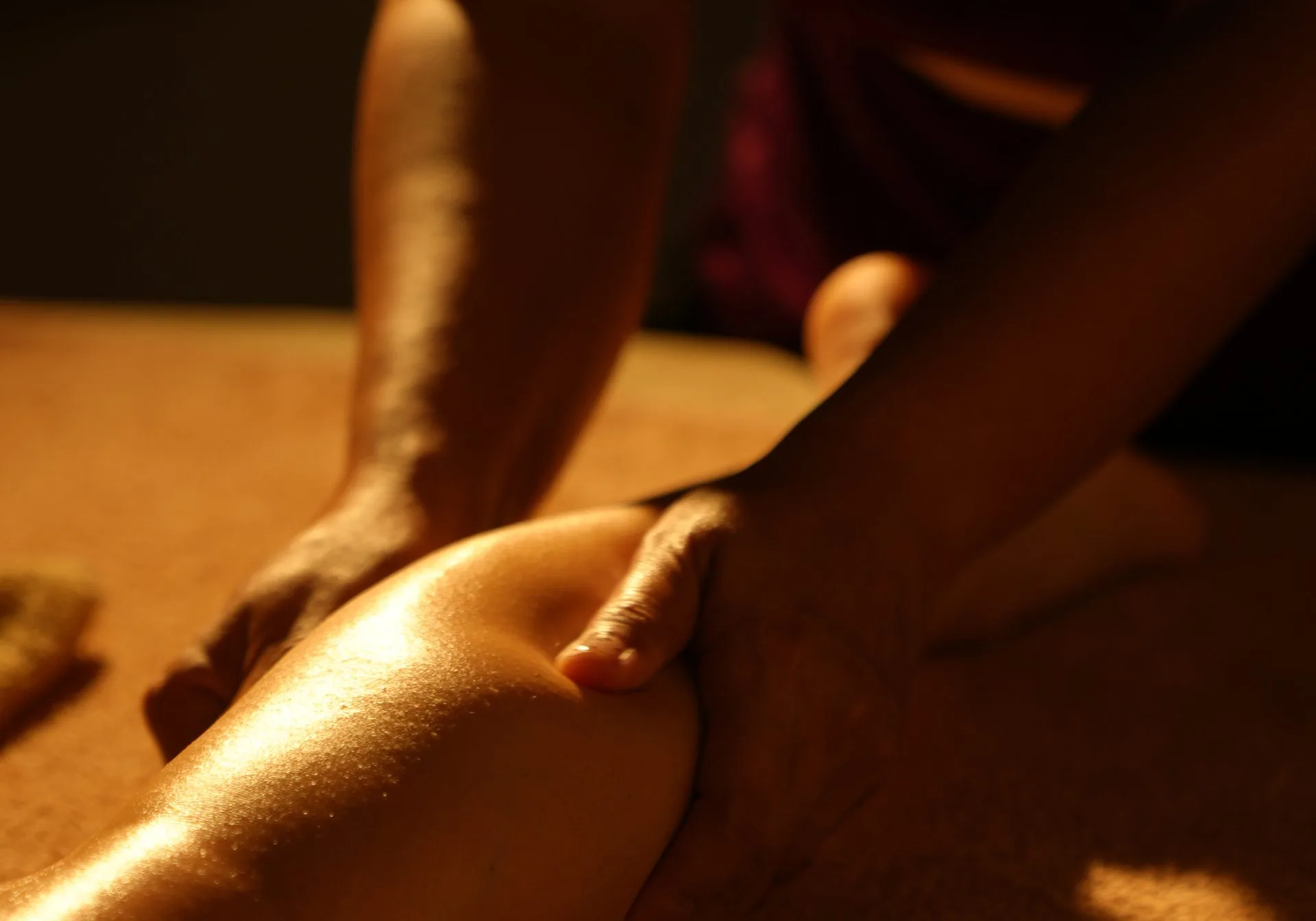
Sports massage is a massage approach tailored to the needs of people who do regular physical activity. It's not a single technique but a framework of purpose: the therapist builds a blend of different techniques, taking into account your training load, your sport and the phase of your schedule.
This blend may include gliding strokes, deep work along the muscle fibres, sustained pressure on specific points, passive stretching and joint mobility work. For a runner, the calves and hamstrings take priority, while for someone who rows or swims, the shoulder girdle and back come to the fore. In other words, even if the duration listed on the menu is the same, the content of a sports massage varies from person to person.
How Does It Differ from Classic Massage?
- Focus: Classic massage aims for whole-body relaxation; sports massage concentrates on the areas under load.
- Tempo: Varies with the goal and timing. Pre-training treatments can be brisk and invigorating, while post-training treatments can be slow and soothing.
- Movement content: Sports massage more often includes passive stretching and joint mobility work.
- Timing sensitivity: In sports massage, where the session falls in your schedule is the single biggest factor shaping its content.
Four Different Timings, Four Different Sessions
1. Before Training (Same Day)
The aim is to wake the muscles up through touch and open up a sense of movement. This session is kept short, usually fifteen to twenty minutes, with light pressure. Deep work is avoided entirely, because muscles are not in ideal condition for performance after deep pressure. The strokes are quick and rhythmic.
2. After Training (First Few Hours)
Here the goal is to accompany the body as it settles after an intense session. Deep pressure is again avoided, since the muscles are sensitive and loaded at that point. Soft gliding strokes, light kneading and a pace in tune with the breath work well. The session can be kept to around half an hour.
3. Maintenance Session (Mid Training Cycle)
This is when sports massage is used most effectively. It is scheduled at least twenty-four hours after a hard workout and at least one day before the next hard session. Deep tissue work, pressure points and stretching elements can be used freely here. Sessions run between forty-five and ninety minutes.
4. Race Week
A light maintenance session can be done up to two or three days before the race. Deep work is not recommended in the final forty-eight hours, as your body would have to spend time adapting to a new stimulus. In the days before a race, a short, gentle treatment is the safest option. The golden rule: never introduce a new technique or a first-time treatment in race week.
Fitting It Into Your Weekly Schedule
Someone Who Trains Three Days a Week
- Monday: Training
- Wednesday: Training
- Friday: Training
- Saturday or Sunday: Maintenance sports massage
In this routine, the massage falls on the lightest day of the week and helps you prepare for the week ahead.
Someone Who Trains Five or Six Days a Week
Finding a gap gets harder here. The most sensible approach is to book the massage on the evening of your lightest training day or on your single rest day. Rather than scheduling deep leg work right after a heavy leg day, focusing on the shoulders and back that week is also a smart solution.
Someone Just Starting Out
If you have just started training, a maintenance session every two to four weeks is enough. While your body adapts to the new load, frequent deep pressure is not necessary.
What Should You Expect From Sports Massage?
The impressions most often reported by people who exercise regularly include:
- A sense of reduced tension in loaded areas
- Range of motion feeling freer
- Recovery after training feeling easier
- Becoming aware of which areas of the body need regular attention
It is important to stay measured: massage is not a performance guarantee or a way to prevent injury, and it does not make an existing injury go away. Sleep, nutrition and smart management of training load form the foundation of recovery. Massage is a supportive habit added on top of that foundation. If you have ongoing pain, swelling, numbness or loss of strength, consult a healthcare professional first.
Practices That Make the Session Count
Share Your Training Details
Tell your therapist your sport, weekly volume, when your last hard session was and when the next one will be. This information directly determines the intensity of the session.
Map Out Your Areas
Knowing which areas are under load is your responsibility. For example, if you have increased tempo runs over the past two weeks, the calves and the area around the Achilles become a priority.
Set the Pressure Right
Harder is not always better. Pressure that makes you hold your breath causes the muscles to go on the defensive. Using a scale of one to ten and staying around six or seven works well in most cases.
Plan a Light Day After the Session
- Do not schedule intense training on the same day as deep work.
- Keep drinking water.
- A gentle walk or low-intensity movement feels comfortable.
- Avoid overstretching; stick to controlled movements.
- Mild muscle tenderness may last a day or two; this is normal.
Seeing Massage Alongside Other Recovery Tools
Sports massage does not work on its own. It delivers the best results when used together with the other parts of your recovery routine:
- Sleep: The most decisive element of recovery. No treatment makes up for insufficient sleep.
- Nutrition and hydration: Adequate protein and carbohydrate intake after training is a basic requirement.
- Heat therapies: Sauna and hammam can support a feeling of relaxation on days separate from training.
- Light movement: Low-intensity activities such as walking, cycling or swimming keep circulation moving.
- Self-care techniques: A foam roller and massage ball provide quick maintenance on the days between sessions.
Who Should Be Careful?
Massage is postponed in the case of a new injury, swelling, a feverish illness, open wounds or an active skin condition. If you take blood thinners or have vascular problems, osteoporosis, a chronic illness or are pregnant, seek your doctor's advice before treatment. Sharing this information with your therapist is essential for the session to be arranged safely.
The simplest rule for fitting sports massage into your calendar is this: put deep work on days away from hard training, and light treatments close to training. Once you make that distinction, massage becomes a support to your programme rather than a burden. If you are planning a sports massage around Maltepe and Dragos, bringing your weekly training schedule with you will make the session as effective as possible.