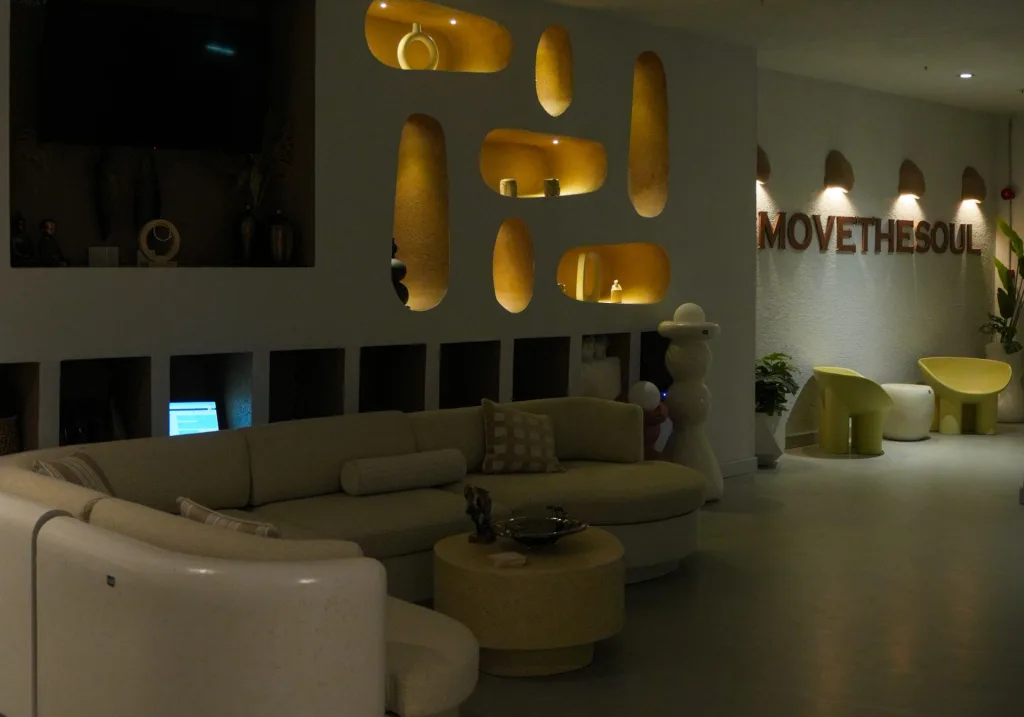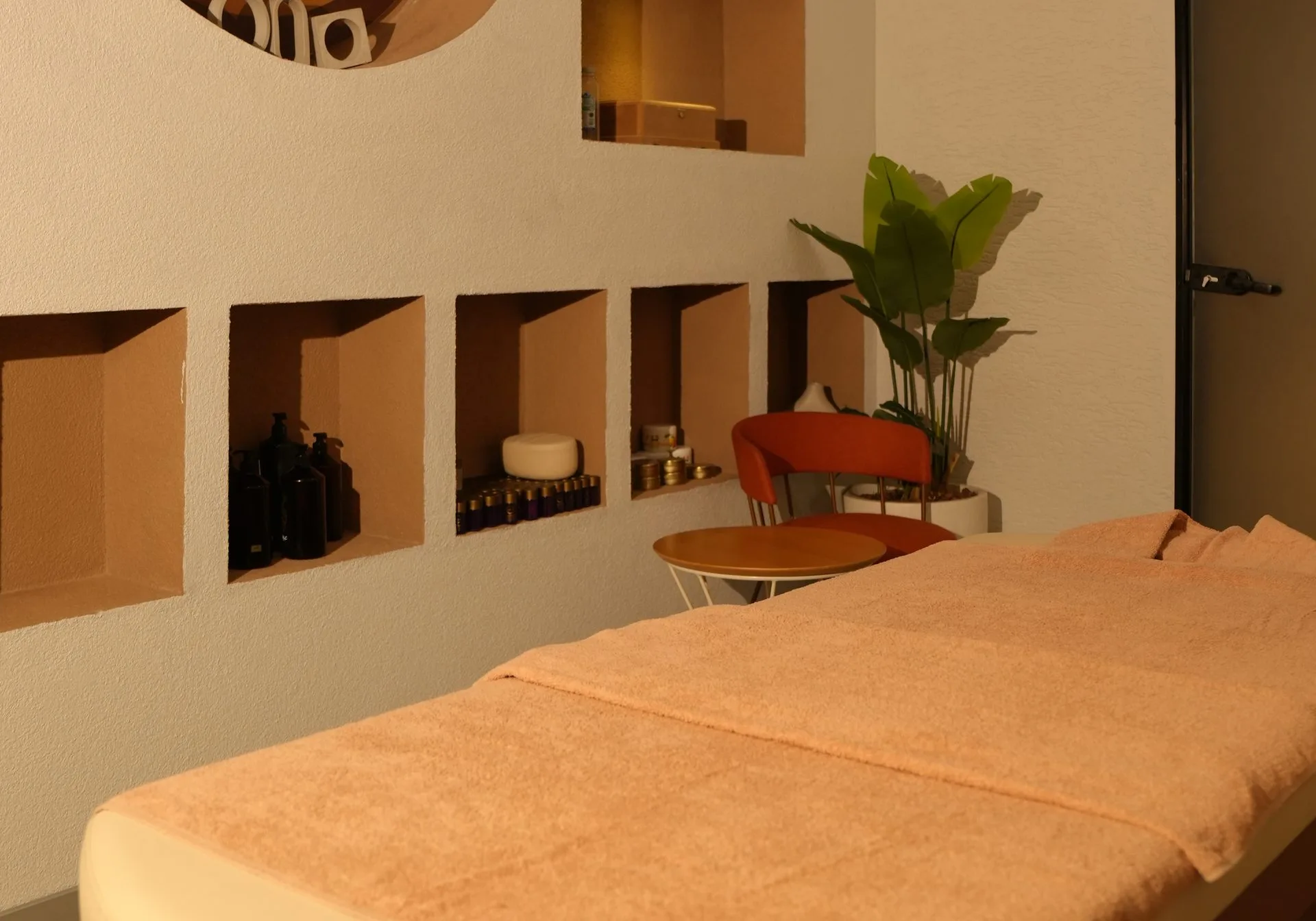
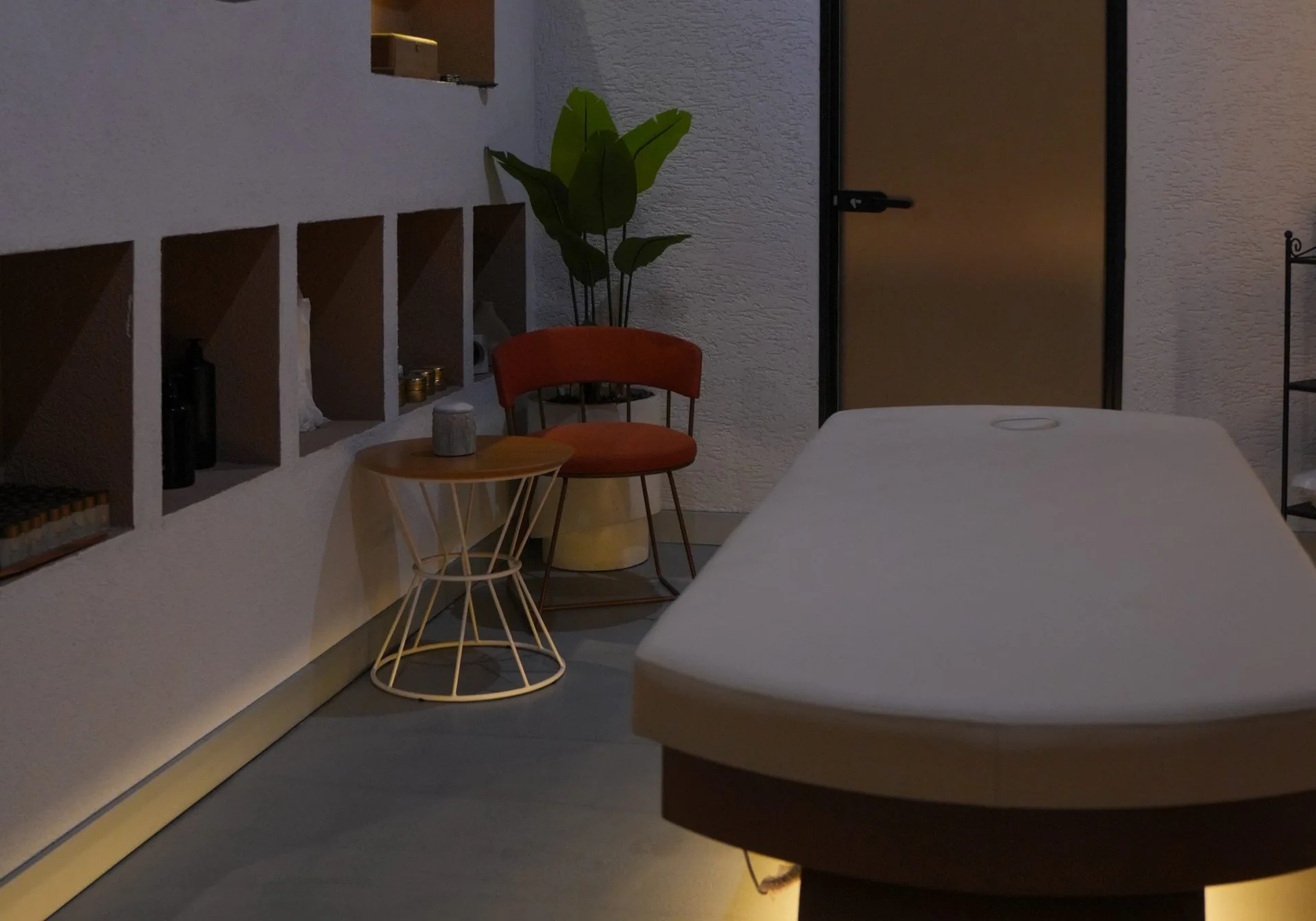
From healthcare workers to security guards, from aviation to manufacturing, millions of people work outside standard working hours. For shift workers, general advice such as an "evening relaxation routine" or "eight hours of sleep at night" is often unrealistic, because for these people evening is morning and night is day. As O'SPA Dragos in Maltepe Dragos, in this article we look at a relaxation and sleep approach suited to real life for guests who work irregular hours. Our suggestions are general; for serious sleep problems a doctor should be consulted.
How does shift work strain the body?
Our body's rhythm through the day is regulated by cues such as light, mealtimes and activity. Working at night and sleeping in the day conflicts with these cues and can lower sleep quality. Many shift workers get fragmented sleep in the day because of light and noise. Irregular mealtimes, caffeine consumption and a disrupted social life can also increase overall tiredness.
It is not always possible to remove these difficulties entirely, but some adjustments can lighten the load.
Practical steps for protecting sleep
If you sleep in the day, preparing the sleep environment like night is the most important step.
- Use blackout curtains or a sleep mask.
- Reduce noise with earplugs or white noise.
- Keep the room temperature cool.
- Silence your phone and let those around you know your sleep hours.
- Avoid bright sunlight after your shift; you can wear sunglasses.
Keeping your sleep hours as fixed as possible makes it easier for the body to adapt its rhythm. A regular pre-sleep routine also helps.
A relaxation routine after the shift
Going straight to bed right after a shift is sometimes not possible; the mind is still at work. A short transition ritual gives the body the message "it is now rest time". A warm shower, light stretching, a few minutes of deep breathing or calm music can be part of this ritual. Avoiding a heavy meal and too much caffeine before bed is also useful.
Applying this routine in the same order after each shift builds a habit for the body. Over time, a body that recognises these cues can fall asleep more easily.
Spa timing: when should you come?
The nicest thing about the spa for shift workers is that it can be enjoyed at flexible times. It is possible to come in the daytime after a night shift or at a quiet weekday time. When planning an appointment, take into account the hour you will sleep after the session. Massage and hammam create a relaxation that eases falling asleep in many people.
- A session after the shift: suitable for relaxing before sleep.
- A session on a day off: offers a longer and slower experience.
- Weekday daytime hours: may offer a calmer setting.
- After very hot environments, take your sleep time into account.
The spa itself is not a medical treatment; it is an experience that supports relaxation and wellbeing.
Nutrition and water
Eating at irregular times can affect digestion and energy levels. During a shift, choosing light and balanced meals and avoiding heavy, fatty foods helps a more comfortable night. Limiting caffeine to the first half of your shift can make it easier to fall asleep at sleep time. Drinking enough water through the day also reduces general tiredness.
Social life and rest
Shift work can make it hard to spend time with friends and family. Creating planned and enjoyable activities on days off helps preserve social bonds. Planning a spa day with family or friends is a lovely way to combine rest and togetherness. Shared moments like these reduce wear and tear in the long run.
When should you seek support?
If you constantly experience daytime sleepiness, lapses in attention, mood changes or insomnia, it is important to see a health professional. Sleep disorders linked to shift work are real and manageable problems. Relaxation habits can support this but do not replace it.
Short naps and energy management
If tiredness hits during the shift, a short nap works for most people. Fifteen to twenty minutes of sleep can increase alertness without slipping into deep sleep; longer naps can leave you groggy on waking. If possible, place this break in the first half of the shift and do not forget to set an alarm. After waking, washing your face, taking a short walk and drinking water helps regain energy.
Light is also an important tool in energy management. Staying in bright light at the start of the shift supports alertness, while reducing light toward the end of the shift and on the way home signals to the body that it is time to slow down. Such adjustments do not have the same effect on everyone; you need to find the pattern that works for you by trying.
- Short nap: twenty minutes at most.
- Bright light: for alertness at the start of the shift.
- Low light: on the way home and before sleep.
- Water: in small sips through the day.
The place of massage and relaxation in a shift pattern
Standing for long periods, carrying heavy items or sitting constantly at a desk creates tiredness in the shoulders, back and legs in many shift professions. Massage is a method that can be used to ease this tiredness and give a feeling of relaxation. Telling your therapist which areas are more tired lets the session be planned to suit you. For those who work standing, foot and leg massage; for those at a desk, a neck and back focused session may feel good.
Rather than going straight into an intense task after the session, it is better to rest a while and make a plan that will ease the transition to sleep. Preparing a suitable environment to fall asleep after relaxation increases the effect of the session. But massage does not remove the cause of insomnia or irregular work; seeing it as a support tool is the most realistic approach.
A sample weekly plan
Even if your shift calendar changes every week, setting a few fixed points is reassuring. For example, the same shower and breathing routine after every shift, getting up at the same time on each day off and taking a short walk, or a fixed spa appointment once a month can form a sufficient skeleton. These fixed points offer your body a familiar rhythm even within irregularity. Remember, you do not have to build a perfect routine; the aim is to be as consistent and gentle as possible. In difficult weeks, rather than criticising yourself, return to your routine at the next opportunity.
- The same short relaxation routine after every shift
- Walking or light movement on days off
- A planned spa appointment once a month
- At least one screen-free evening a week
Make time for yourself in Dragos
O'SPA Dragos offers a calm break for guests who work irregular hours. You can talk to our team to plan a session time that suits your shift pattern. We are glad to welcome you in Dragos.